Regenerative medicine aims to restore or replace damaged or diseased tissues by harnessing the remarkable potential of cells to develop, adapt, and repair. Achieving this requires a deeper understanding of the cellular processes that govern regeneration, including how stem cells acquire their identities, interact with their surrounding environment, and respond to injury.
Single-cell and spatial omics technologies are opening exciting new possibilities for answering these questions. By allowing researchers to examine individual cells and their interactions within tissues, these approaches are revealing biological complexity that was previously difficult to investigate.
However, as these technologies become increasingly sophisticated, researchers face two important questions: When are these approaches the right tools for the biological questions we want to answer, and how do we design studies that generate meaningful, reliable results?
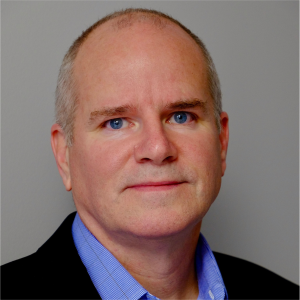
These questions formed the foundation of the Stem Cell Network’s (SCN) Single-Cell & Spatial Omics in Regenerative Medicine: A Practical Symposium, held October 6-7, 2026. As director of the UBC School of Biomedical Engineering (SBME) core facility, I was pleased to help shape the symposium’s scientific program alongside SCN and industry partners Illumina and 10x Genomics.
The symposium brought together more than 100 researchers, industry experts, and Canadian core facilities to explore the opportunities and practical challenges of applying these technologies to regenerative medicine. Three important themes emerged:
1. Start with the biological question, not the technology
The first day explored what single-cell and spatial omics technologies can reveal and where they offer meaningful advantages for regenerative medicine research.
Our keynote speaker, Dr. Jay Shendure of the University of Washington, highlighted advances in lineage tracing and molecular recording that are reshaping our understanding of how cells develop and change over time.
Canadian researchers demonstrated the breadth of potential applications. Dr. Ehsan Habibi explored the molecular complexity of embryonic development, Dr. Rachel Edgar discussed applications in liver disease and regeneration, and Dr. Jo Anne Stratton highlighted how single-cell multi-omics can reveal changes in astrocyte behaviour.
Industry perspectives complemented these scientific presentations. Adriana Suarez-Gonzalez of 10x Genomics explored how single-cell and spatial approaches can help researchers characterize cell-based therapies and understand how transplanted cells interact with surrounding tissues. Meysam Abbasi of Illumina discussed advances making these technologies more accessible and scalable, as well as the potential to integrate different types of molecular data to provide a more complete understanding of cellular behaviour.
Together, these examples illustrated the remarkable opportunities these technologies offer, while reinforcing an important principle: the choice of technology should be driven by the biological question researchers are trying to answer.
2. Good experimental design is essential to generating meaningful results
The second day shifted from what these technologies can do to how researchers can use them successfully.
Caroline Petersen of 10x Genomics provided practical guidance on technology selection, sample preparation, and experimental design. Dr. Tallulah Andrews of Western University addressed the challenges of bioinformatics, data integration, and interpretation, emphasizing the importance of understanding the assumptions and limitations of analytical approaches.
An important takeaway was that generating increasingly large and complex datasets does not necessarily lead to better science. Careful experimental planning, appropriate analytical strategies, and a clear understanding of the research question are essential to producing reliable, interpretable results.
For regenerative medicine researchers, these considerations are particularly important when working with complex tissues and systems, limited biological materials, and studies intended to inform therapeutic development.
3. Collaboration is key to building Canada’s research capacity
Access to advanced technologies is only part of what researchers need to conduct successful single-cell and spatial omics studies. Equally important is access to the expertise and infrastructure required to use them effectively.
The symposium showcased seven Canadian core facilities, highlighting the considerable capabilities available across the country.
A key message from the discussion was that core facilities should be viewed as scientific collaborators, not simply service providers. Engaging technical and bioinformatics experts early in study planning can significantly improve experimental design, data quality, and interpretation.
Canada has considerable strengths in regenerative medicine, single-cell research, and supporting infrastructure. Strengthening connections among researchers, industry partners, and core facilities will help ensure that these technologies are adopted thoughtfully and used to their full potential.
From possibility to practice
For me, the symposium reinforced that realizing the promise of single-cell and spatial omics requires more than access to advanced technologies. It requires bringing together biological expertise, thoughtful experimental design, and specialized research infrastructure.
The real opportunity lies in bridging what is technologically possible with what is scientifically meaningful – turning increasingly detailed cellular insights into discoveries that advance regenerative medicine and, ultimately, improve human health.