Stem cells are our bodies’ building blocks. They are different from other cells because they have the potential to differentiate into any cell type and can renew themselves. Because stem cells can repair tissue and organs, they are powering regenerative medicine (RM), a new way to treat disease and injury. Regenerative medicine is considered by investors, economists and health policy experts to be the next frontier of modern medicine.
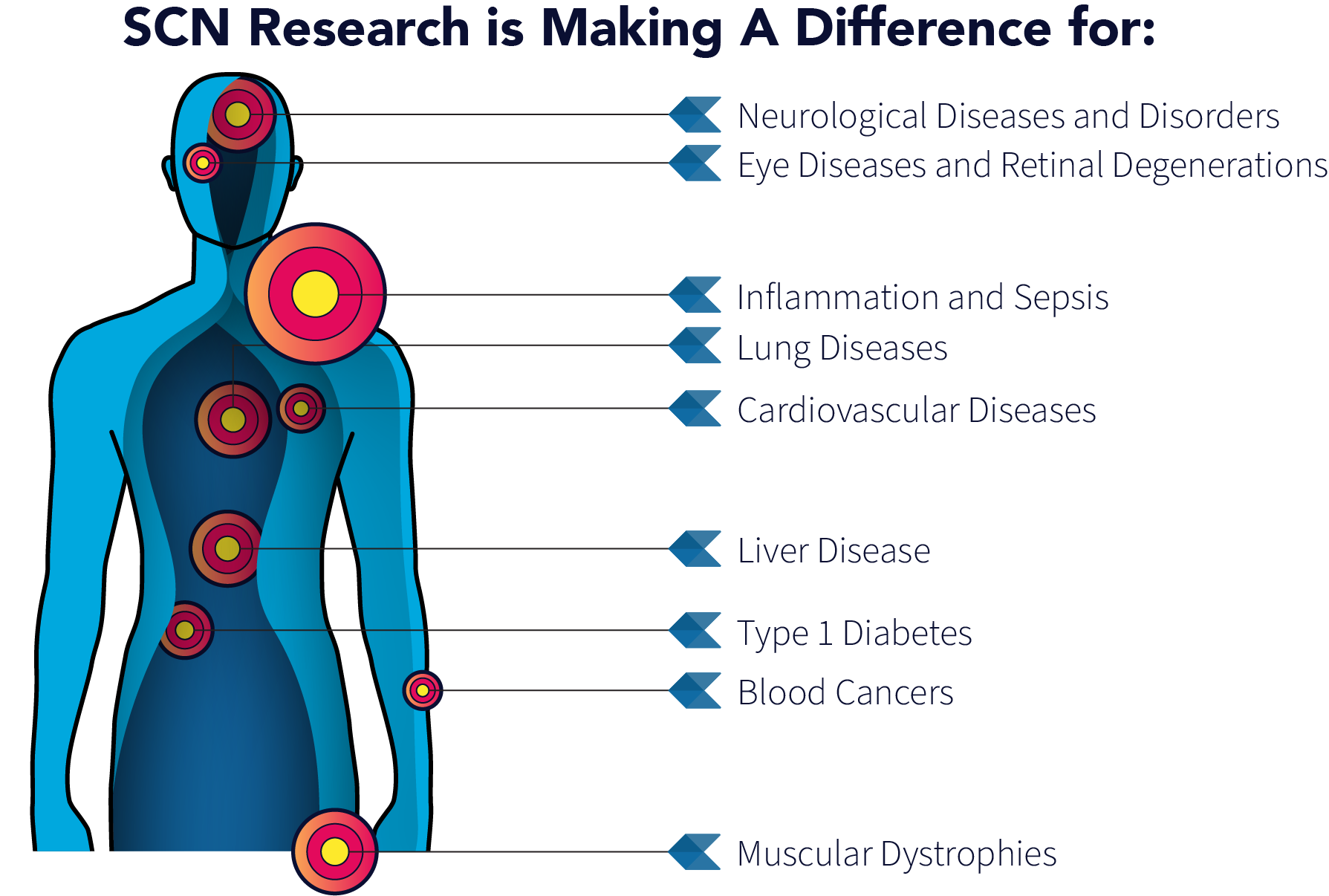
The power of regenerative medicine is in its potential to halt or reverse disease instead of simply alleviating symptoms, which is unlocking leading-edge treatments for diseases such as, type 1 diabetes, cancer, muscular dystrophies, lung and heart disease, as well as for neurological diseases such as Parkinson’s and Alzheimer’s.
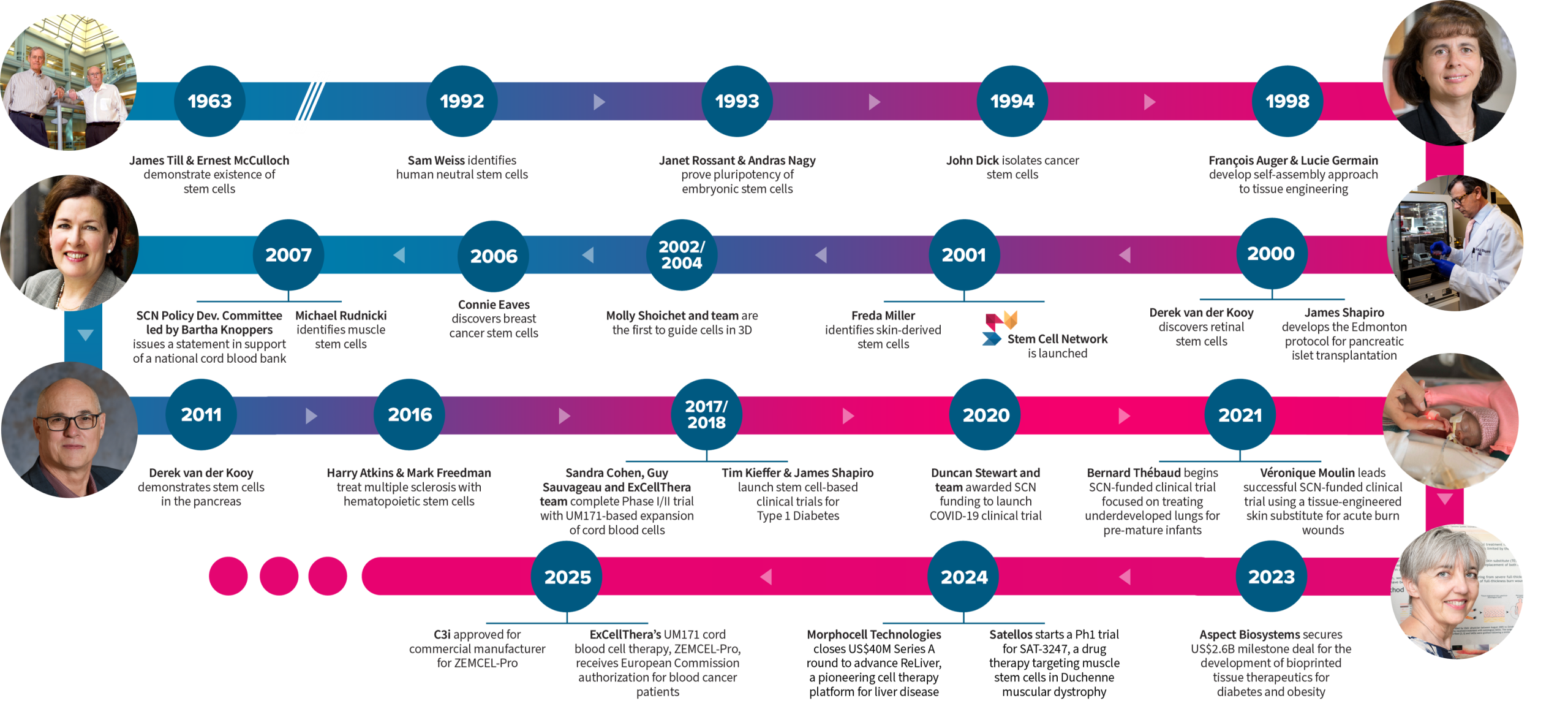
Canada has been a world leader in regenerative medicine from the start. In the 1960s, Canadian scientific pioneers Drs. James Till and Ernest McCulloch definitively confirmed the existence of stem cells while investigating the effects of radiation on mouse bone marrow. Their seminal paper unlocked a field of research with potential to tackle some of our greatest health challenges and established Canada as a global leader in stem cell and regenerative medicine research. Since then, Canadian researchers have continued to make significant contributions in this field.
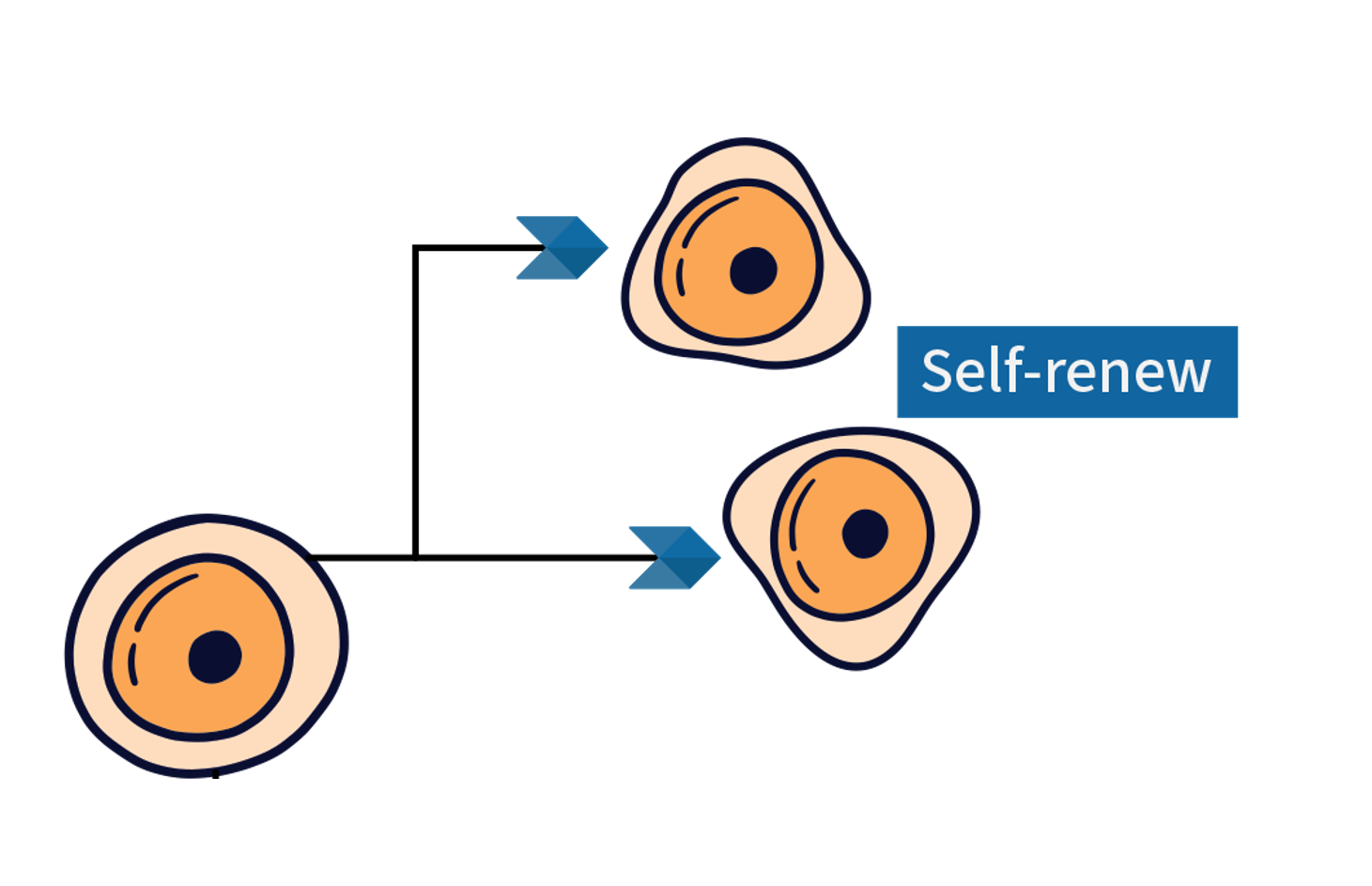
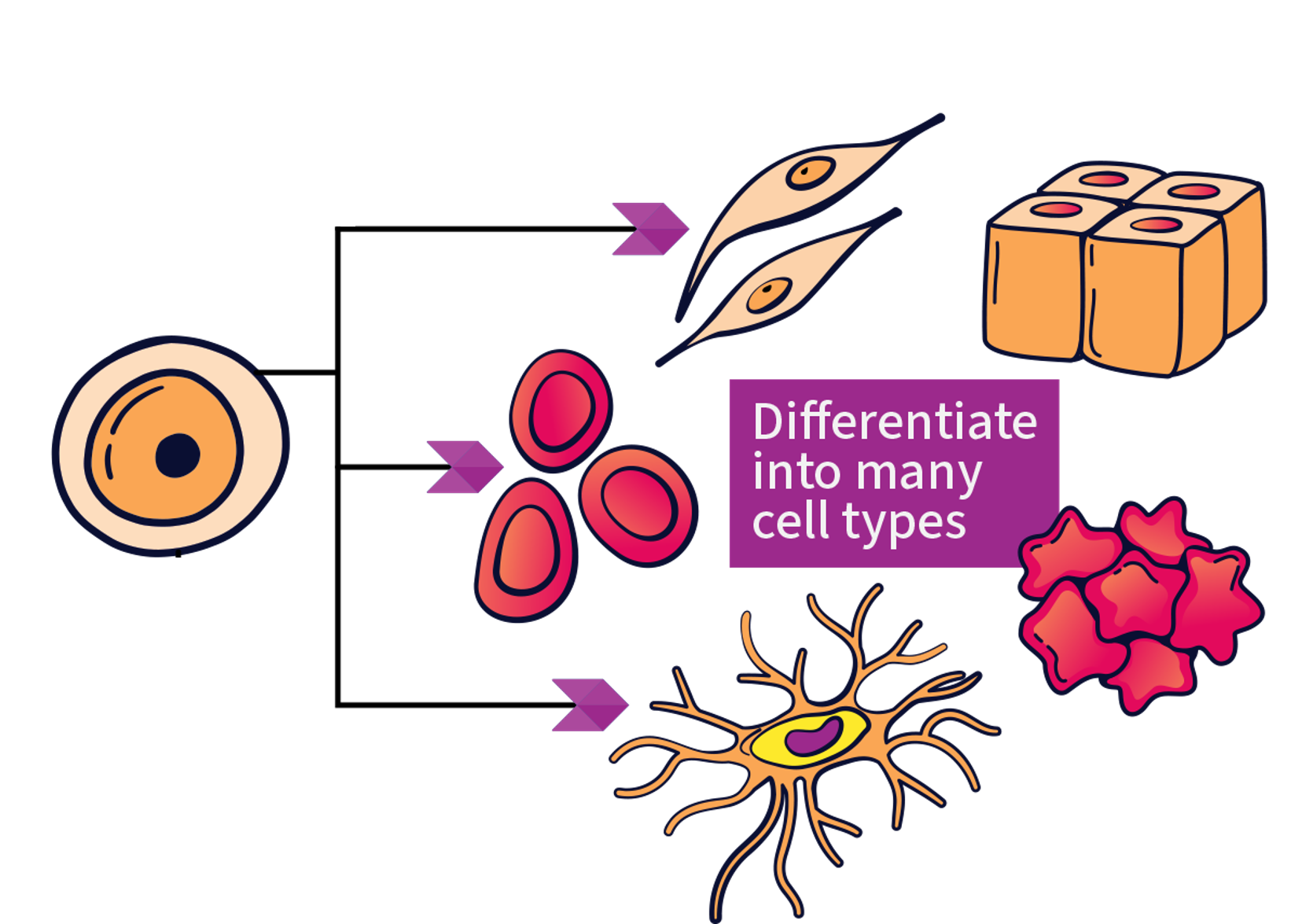
Stem cells are unique because they have two defining properties: the ability to self-renew and the potential to differentiate. This means they can produce more stem cells like themselves, and they can also develop into specialized cell types such as blood, brain, or muscle cells. Because of these properties, stem cells play a central role in development, tissue repair, and medical research aimed at understanding and treating disease.
Stem cell therapies are already being used to treat blood cancers such as leukemia (e.g. through bone marrow transplantation) and aggressive multiple sclerosis (MS). But they also hold extraordinary promise to one day treat many more diseases and conditions, such as type 1 diabetes, heart disease, kidney disease, other types of cancer (e.g. skin, breast, lung, testicular), spinal cord injuries, neurological disorders (e.g. Alzheimer’s and Parkinson’s diseases), arthritis, and eye diseases that can lead to blindness.
To learn more about what SCN-funded researchers are working on, visit our Research Underway section.
350 Albert Street,
Suite 325
Ottawa, ON
K1R 1A4
info@stemcellnetwork.ca
Receive the latest news on SCN funding programs and training opportunities, and what’s happening in the stem cell industry, directly in your inbox.
Newsletter sign-up form