
Research Management Committee

Research Management Committee

Research Management Committee

Research Management Committee

Michael Rudnicki

Michael Rudnicki, Chair

Scientific Director, Stem Cell Network; Senior Scientist & Director, Sprott Centre for Stem Cell Research, Ottawa Hospital Research Institute

Biography

Toggle visibility icon

Dr. Michael Rudnicki is a Senior Scientist and Director of the Sprott Centre for Stem Cell Research at the Ottawa Hospital Research Institute. He is Professor in the Department of Medicine at the University of Ottawa. Dr. Rudnicki’s achievements have been recognized by numerous honours including being named a Tier 1 Canada Research Chair, an International Research Scholar of the Howard Hughes Medical Institute for two consecutive terms, a Fellow of the Royal Society, a Fellow of the Royal Society of Canada, and an Officer of the Order of Canada.

Dr. Rudnicki is an internationally recognized thought leader in molecular genetics and regenerative medicine whose research has transformed our understanding of muscle development and regeneration, and fueled the development of novel molecular and stem cell based approaches to the treatment of muscular dystrophy and other neuromuscular disorders. Dr. Rudnicki’s key discovery was the identification and characterization of muscle stem cells. This work pivoted the field towards the study of adult regenerative myogenesis and set the stage for novel molecular and stem cell based approaches to the treatment of muscular dystrophy and other neuromuscular disorders. Dr. Rudnicki is a member of the editorial boards of Cell Stem Cell, Journal of Cell Biology, and Stem Cells. He is a founding Co-Editor-in-Chief of the journal Skeletal Muscle. Dr. Rudnicki has also organized many international research conferences and was a founding director of the Society for Muscle Biology.

As Scientific Director for SCN, Dr. Rudnicki provides direction and leadership for the Network’s Research program and serves as the Chair of SCN’s Research Management Committee and is a member of the Board of Directors.

Bernard Thébaud

Bernard Thébaud, Vice Chair

Associate Scientific Director & Vice Chair, Research Management Committee, Stem Cell Network; Senior Scientist, Regenerative Medicine, Ottawa Hospital Research Institute & CHEO Research Institute, Neonatologist, Division of Neonatology, The Ottawa Hospital and CHEO; Professor of Pediatrics, University of Ottawa; Tier 1 Canada Research Chair in Lung Stem Cell Biology and Regeneration

Biography

Toggle visibility icon

Dr. Bernard Thébaud is a clinician-scientist with a focus on the clinical translation of stem cell-based therapies for lung diseases. He is a senior scientist with the Ottawa Hospital Research Institute and a neonatologist with the Children’s Hospital of Eastern Ontario, providing care to critically ill newborns. He is also a Professor of Pediatrics at the University of Ottawa.

As Associate Scientific Director of the Stem Cell Network, Dr. Thébaud supports the Network in building its translational programs and activities. An active investigator and champion for SCN since 2007, Dr. Thébaud has supported SCN as a member of the Research Management Committee and as Chair of the 2018 Till and McCulloch Meetings. Additionally, he has volunteered his time to educate Parliamentarians and government officials about the invaluable role SCN plays within Canada’s life science ecosystem.

Dr. Thébaud obtained his MD at the University Louis Pasteur in France and trained in Pediatrics and Neonatology at the University Paris V, where he obtained his MSc and PhD, before completing a 2-year postdoctoral fellowship at the University of Alberta.

Dr. Thébaud studies the mechanisms of lung development, injury and repair to design new treatments for incurable lung diseases. His focus is on answering clinically relevant questions for translation into real-life applications. Over the next five years, his goal is to bring safe and effective cell and gene therapies for lung diseases into the clinic to improve patient outcomes. Most recently, Dr. Thébaud has launched both a clinical cell therapy trial, focused on treating underdeveloped lungs of pre-mature infants, and a new biotech company, Inspire Biotherapeutics.

Dr. Thébaud has participated on numerous peer review committees and scientific advisory boards at the international, national and provincial level, including CIHR and NIH. Dr. Thébaud holds the Tier 1 Canada Research Chair in Lung Stem Cell Biology and Regeneration. His research is funded by a CIHR Foundation Scheme grant, the Heart and Stroke Foundation of Canada, the Stem Cell Network and the Ontario Institute for Regenerative Medicine.
Sven Ansorge

Sven Ansorge

Director of Technical Training and Site Manager – Montreal, CASTL

Biography

Toggle visibility icon

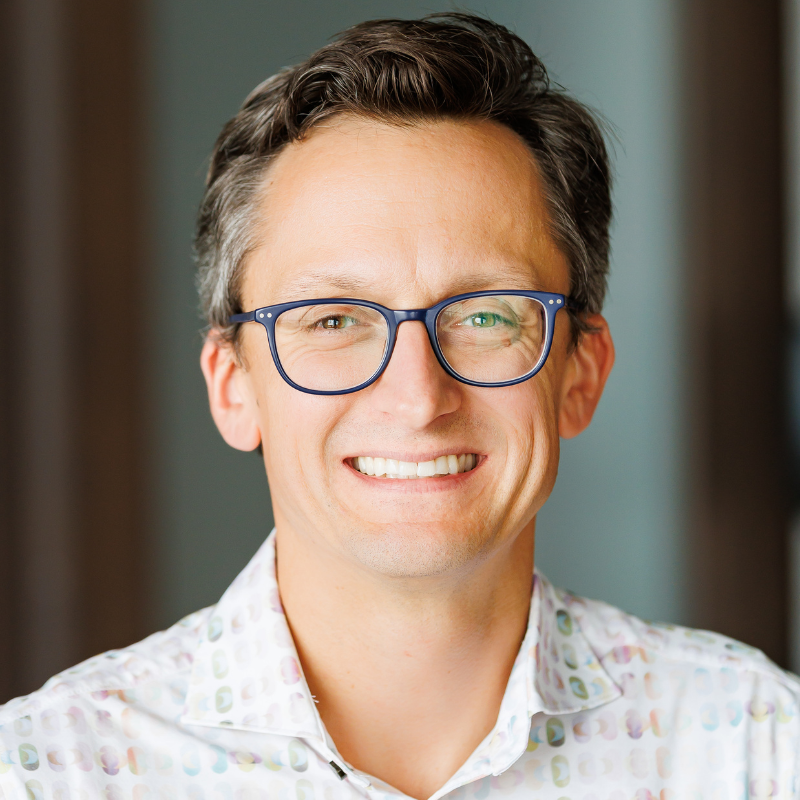
Sven has more than 15 years of experience in biopharmaceutical R&D and has led research teams in both academic and industrial/GMP manufacturing environments. He holds a PhD in Chemical Engineering from l’École Polytechnique de Montréal and specializes in bioprocessing for the production of viral vectors, vaccines, recombinant proteins, and cell therapy products.

Together with collaborators and colleagues, Sven has published more than 20 peer-reviewed manuscripts. Since 2019, he is also an Adjunct Professor in the Department of Bioengineering at McGill University.

As Director of Technical Training and Site Manager at CASTL’s state-of-the-art training facility in Montreal, Sven ensures that trainees receive technical training of the highest quality and relevant to their roles in the biomanufacturing industry.

Harold Atkins

Harold Atkins, MD, FRCPC

Senior Clinician Investigator, Cancer Research, Ottawa Hospital Research Institute Physician, Transplant and Cell Therapy Program, The Ottawa Hospital Associate Professor, Clinical Hematology, University of Ottawa

Biography

Toggle visibility icon

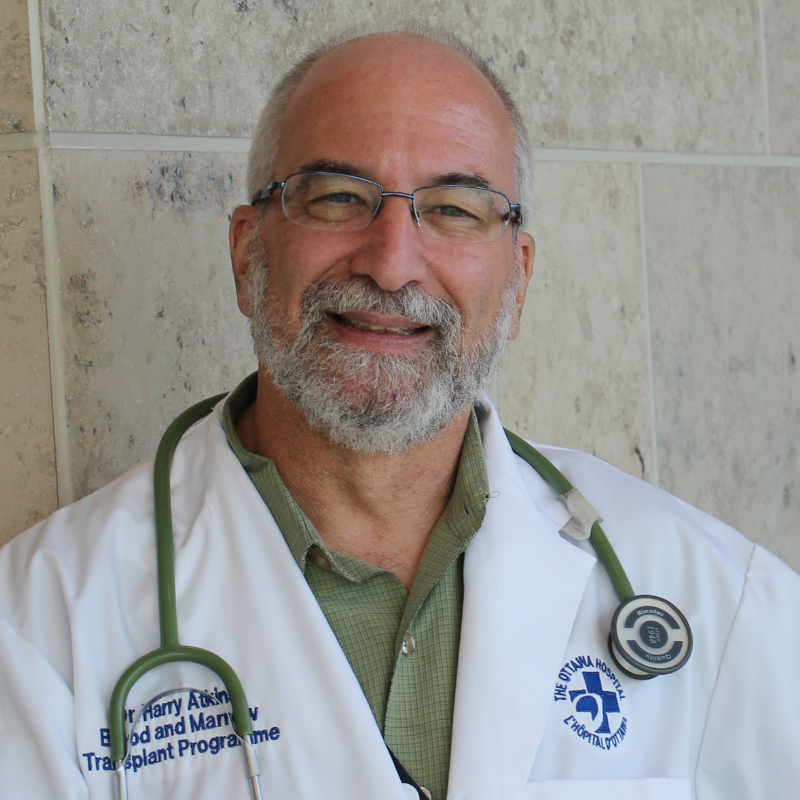
Dr. Harold Atkins is a physician of The Ottawa Hospital Transplant and Cell Therapy Program, an Associate Professor of Medicine at the University of Ottawa, and a senior clinical investigator at the Ottawa Hospital Research Institute Cancer Research Program.

He received his Bachelor of Medical Science degree and Medical Degree from the University of Ottawa followed by a rotating internship year at the Victoria General Hospital in Victoria BC. Specialty training in Internal Medicine was done at the University of Ottawa. Clinical and research fellowships in Hematology, Stem Cell Transplantation and Experimental Hematology followed at the University of Washington and at the Ontario Cancer Institute.

He specializes in hematopoietic stem cell transplantation and has spearheaded the use of stem cell transplantation for immune repair to treat patients with severe autoimmune diseases including multiple sclerosis, scleroderma, myasthenia gravis and others. The outcome of a trial using autologous hematopoietic stem cell transplantation to treat multiple sclerosis was published in the Lancet in 2016. He ran a clinical trial exploring the role of hematopoietic stem cell transplantation in preventing organ transplant rejection. He is a member of a BiocanRx funded, pan-Canadian consortium to develop and improve the accessibility of new chimeric antigen receptor T lymphocytes for the treatment of hematological cancers. He was awarded the OHRI’s Dr. Michel Chretien Researcher of the Year in 2016, the Till and McCulloch Award from the Stem Cell Network in 2017 and was the co-recipient of the Canadian Blood Services Lifetime Achievement Award in 2019.

Maura Campbell

Maura Campbell

President and CEO, Ontario Bioscience Innovation Organization (OBIO®)

Biography

Toggle visibility icon

Dr. Maura Campbell is the President and CEO of the Ontario Bioscience Innovation Organization (OBIO®), a not-for-profit, membership-based organization dedicated to advancing health technology innovation and commercialization. Dr. Campbell has more than 30 years of experience in all key areas of biotech, including private and public companies, universities and research institutes, and government-funded public sector research organizations.

With expertise in technology transfer and commercialization of intellectual property, Dr. Campbell has held various roles in senior management, most recently as the Vice-President of Intellectual Property and Contracts for Turnstone Biologics, which recently went public on the NASDAQ. Previously, Dr. Campbell served as: Director, Intellectual Property at VBI Vaccines; Research Program Manager, and Manager of Technology Transfer & Commercialization at the Ottawa Hospital Research Institute; Director of Intellectual Property for PainCeptor Pharma Corporation; and Manager of Technology Transfer at the Institute for Robotics and Intelligent Systems National Centre of Excellence. Dr. Campbell has also served as an IP consultant to a number of Canadian start-ups including Neurochem, Conjuchem, Aonix, AMRIC and Sussex Research Labs.

Dr. Campbell received a Ph.D. in biochemistry from the University of Ottawa, and an M.Sc. and a B.Sc. in biochemistry from Queen’s University in Kingston.

Wing Chan

Wing Chang

Director of Tissue Stem Cell Biology, STEMCELL Technologies Inc.

Biography

Toggle visibility icon

Dr. Wing Chang is currently the Director of Tissue Stem Cell Biology at STEMCELL Technologies Inc., Canada. He oversees several stem cell groups developing innovative products for culturing stem and progenitor cells from skin, lung, and hematopoietic tissues. Prior to this he spent several years as the Director of Research & Development at STEMCELL Technologies UK in Cambridge UK, leading projects related to pluripotent stem cells and organoid technologies. He has been integral in the development of numerous products at STEMCELL Technologies. Dr. Chang also serves as an instructor in several of STEMCELL Technologies’ Pluripotent Stem Cell training courses. Dr. Chang received his PhD from the University of Western Ontario, where he studied cell cycle regulatory factors and their role in keratinocyte stem cell self-renewal and differentiation with Dr. Lina Dagnino. During his postdoctoral training with Dr. William Stanford at the University of Toronto and the Ottawa Hospital Research Institute, he examined transcriptional networks in human embryonic stem cells and iPSCs important for stem cell self-renewal and differentiation.

Corinne Hoesli

Corinne Hoesli ing., PhD

Prof., Canada Research Chair in Cellular Therapy Bioprocess Engineering

Biography

Toggle visibility icon

Prof. Hoesli is the head of the Stem Cell Bioprocessing Laboratory at McGill University. She is co-director of the Quebec Cell, Tissue and Gene Therapy Network – ThéCell, and a member of the McGill Regenerative Medicine network executive committee. She is a biochemical engineer with expertise in bioprocess development, stem cell culture optimization and encapsulation device engineering. Her research aims to develop bioprocesses to produce and transplant therapeutic cells to treat diabetes and cardiovascular disease. Her laboratory studies how cell culture materials impact stem cell and progenitor cell differentiation into useful therapeutic products. To biomanufacture cell-based products at scale, she works with companies and organizations such as the Canadian National Research Council to tailor bioreactor design and operation parameters. To improve cell survival after transplantation, her laboratory is developing vascular biomaterials and 3D printing methods to create vascularized tissues.  Over the past 5 years, Prof. Hoesli and her team have published over 20 articles in leading bioprocess engineering journals, as well as several patents related to cell culture materials and transplantation devices. Her emerging leadership in bioengineering was recognized through the 2014 Martin Sinacore Outstanding Young Investigator Award from Engineering Conferences International & Biogen Idec, as well as the 2019 “Étoiles effervescence” award from Montreal InVivo.

Samer Hussein

Samer Hussein

Associate Professor, Université Laval; Researcher, Oncology Division, Centre Hospitalier Universitaire (CHU) de Québec-Université; Laval Research Center

Biography

Toggle visibility icon

Dr. Samer Hussein is an associate professor and researcher at Université Laval and its affiliated Cancer Research Center. Dr. Hussein completed his Ph.D. in Neurological Sciences at McGill University, Montréal, Canada, and his post-doctoral training at the University of Helsinki, Finland, and later at the Lunenfeld-Tanenbaum Research Institute in Toronto, Canada. He has published seminal work in the field of reprogramming demonstrating several key findings on how reprogramming to induced pluripotent stem cells affects the chromatin state, genetic stability, and gene expression of cells undergoing this process of induced cell fate change. His team now focuses on understanding the molecular underpinnings governing stem cell fate decision during development and in cancer. They use several bioinformatics and sequencing approaches, such as long read RNA sequencing, and stem cell differentiation models, such as human cerebral organoids and glioma stem cell invasion models, to understand the molecular mechanisms and functional interactions of long non-coding RNAs during development and cancer.

Francis Lynn

Francis Lynn, BSc, Ph.D.

Associate Professor, University of British Columbia Investigator, BC Children’s Hospital

Biography

Toggle visibility icon

Francis obtained his Ph.D. in Physiology from the University of British Columbia in 2003.  Following this he moved to San Francisco supported by JDRF Postdoctoral and Advanced Postdoctoral Fellowships with Michael German.

Francis was recruited to the BC Children’s Hospital Research Institute in 2009 where he is head of the Canucks for Kids Fund Childhood Diabetes Research Laboratories, an Associate Professor in the UBC Department of Surgery and a Founding Member of the UBC School of Biomedical Engineering. Francis has been supported by the Goepel Family/ Diabetes Canada Young Investigator Award in Islet Cell Development; the JDRF Alan Permutt Career Development Award and a Michael Smith Foundation for Health Sciences Scholar Award. In 2021, he was awarded the Diabetes Canada/CIHR INMD Early Career Researcher Partnership Award.

Francis’ work has led to publication of 79 highly-cited articles in top journals including Diabetes, Diabetologia Developmental Cell, PNAS, Nature Communications, Nature and Nature Medicine. The Lynn Lab currently has 12 members and is funded by grants from the Breakthrough T1D, the Canadian Institutes of Health Research, the Stem Cell Network, Diabetes Canada, and the BC Children’s Hospital Foundation. Research is focused on understanding how we can improve the in vitro development of cell-based therapies for diabetes by taking cues from embryonic development.

Debra Matthews

Debra Mathews, PhD, MA

Assistant Director for Science Programs, Johns Hopkins Berman Institute of Bioethics; Associate Professor, Department of Genetic Medicine, Johns Hopkins University School of Medicine

Biography

Toggle visibility icon

Debra JH Mathews, PhD, MA, is the Assistant Director for Science Programs for the Johns Hopkins Berman Institute of Bioethics, and an Associate Professor in the Department of Genetic Medicine, Johns Hopkins University School of Medicine. As the Assistant Director for Science Programs, Dr. Mathews is responsible for overseeing the Stem Cell Policy and Ethics program and the Program in Ethics and Brain Sciences, as well as other bench research-related endeavors in the Berman Institute. She also runs the Genomics and Society Mentorship Program and serves as the Chair of the Berman Institute’s Inclusion, Diversity, Anti-Racism, and Equity (IDARE) Committee. Within the Institute for Assured Autonomy (IAA), Dr. Mathews serves as the Ethics & Governance Lead. In this role, she leads work focused on the ethical, societal, and governance implications of autonomous systems, and identifies opportunities across IAA for the integration of ethics and governance work and priorities.

Dr. Mathews’s academic work focuses on ethics and policy issues raised by emerging technologies, with particular focus on genetics, stem cell science, neuroscience, synthetic biology, and artificial intelligence. Dr. Mathews is a member of the steering committee of The Hinxton Group, an international collective of scientists, ethicists, policymakers and others, interested in ethical and well-regulated science, and whose work focuses primarily on stem cell research. She has been an active member of the International Neuroethics Society since 2006 and has served on the Society’s Board of Directors since 2015. In addition to her academic work, Dr. Mathews has spent time at the Genetics and Public Policy Center, the US Department of Health and Human Services, the Presidential Commission for the Study of Bioethical Issues, and the National Academy of Medicine working in various capacities on science policy.

Dr. Mathews earned her PhD in genetics from Case Western Reserve University, as well as a concurrent Master’s in bioethics. She completed a Post-Doctoral Fellowship in genetics at Johns Hopkins, and the Greenwall Fellowship in Bioethics and Health Policy at Johns Hopkins and Georgetown Universities.

Nika Shakiba

Nika Shakiba

Assistant Professor, School of Biomedical Engineering (SBME), University of British Columbia

Biography

Toggle visibility icon

Dr. Nika Shakiba is an Assistant Professor in the School of Biomedical Engineering (SBME) at the University of British Columbia. Nika received her B.A.Sc. from the Engineering Science program and subsequently completed a Ph.D. under the supervision of Dr. Peter Zandstra, both at the University of Toronto. She conducted her postdoctoral training under the co-supervision of Dr. Ron Weiss and Dr. Domitilla Del Vecchio in the Synthetic Biology Center at Massachusetts Institute of Technology. Through these experiences, she has bridged experiment-to-theory by using genetic technologies to track single cell behaviors, using mathematical models to deconvolve complex datasets, and generating novel predictions. Her training trajectory has instilled in her a scientific philosophy that is rooted in interdisciplinary thinking and collaborations.

Nika’s independent research program is interested in the “social lives” of stem cells: how these cells interact to influence one another’s survival and cell fate decisions, both in culture and embryonic development. Her lab uses systems and synthetic biology to understand the genetic rules that encode cooperative and competitive interactions between stem cells. Leveraging genetic engineering, her lab seeks to program these interactions to drive predictable growth and differentiation outcomes and enable robust bioprocesses for manufacturing stem cell-derived cell therapies.

Nika is committed to training the next generation of biomedical researchers with core expertise that span life sciences and engineering. These scientific leaders will have the know-how to develop cutting-edge technologies, serve as nodes for interdisciplinary collaboration, and tackle fundamental scientific questions. She has co-developed a national workshop bringing synthetic biology to stem cell trainees in the Stem Cell Network. Beyond her research and teaching, Nika has been actively involved in outreach, bringing the science and ethics of stem cell research to the general public and youth. As a former national leader for the StemCellTalks symposium for high school students, she co-led a committee that saw the expansion of the event to eight cities across Canada. Nika is also passionate about providing equity in mentorship and multi-directional advice-sharing through her latest project, Advice to a Scientist.

Sara S. Nunes Vasconcelos

John Kitson McIvor Endowed Chair in Diabetes Research; Senior Scientist, Division of Clinical Research, Toronto General Hospital Research Institute, University Health Network; Associate Professor, Institute of Biomedical Engineering, Laboratory Medicine and Pathobiology, University of Toronto.

Biography

Toggle visibility icon

Dr. Sara Nunes Vasconcelos, PhD is a Senior Scientist at the University Health Network in the Toronto General Hospital Research Institute and holds the John Kitson McIvor Endowed Chair in Diabetes Research.  Her translational research program aims to develop regenerative medicine strategies to treat cardiovascular diseases and diabetes and to use bioengineering approaches to study these diseases. Her lab has developed new vascularization techniques to support functional tissues for organ regeneration and is pioneering the work to create mature, long-lasting, functional blood vessels. Her laboratory’s ground-breaking research contributions have been recognized by several awards, including the Richard G. Hegele Award for excellence in Research and Innovation, Department of Laboratory Medicine and Pathobiology, UofT and the Outstanding Young Investigator Award from the Microcirculatory Society, USA. She holds funding from CIHR, NSERC, BT1D, and the NFRF and serves as a reviewer for CIHR, NIH, and NASA. 

Lab Website: www.vasconceloslab.com 

Darcy Wagner

Canadian Excellence Research Chair in Lung Regenerative Medicine; Professor of Medicine and Biomedical Engineering , McGill University; Meakins-Christie Laboratories; Research Institute of the McGill University Health Centre

Biography

Toggle visibility icon

Professor Darcy Wagner joined McGill in January 2024 as the Canadian Excellence Research Chair in Lung Regenerative Medicine with a co-appointment in Medicine and Biomedical Engineering. Dr. Wagner started her independent laboratory at Lund University in Sweden in 2017 as a Wallenberg Molecular Medicine Fellow and European Research Council Starting Grant recipient. Her laboratory has been funded by the Swedish Research Council and Swedish Innovation Agency among other funding agencies. Since arriving in Canada, she has also received funding from a European Joint Program on Neurodegenerative Diseases with teams in Sweden, Germany and Poland. She has also received funding from the CFI-John Evans Leaders Fund.  

The broad interest of her laboratory is the development of bioengineering strategies to generate lung tissue ex vivo as well as to develop new therapies to regenerate tissue in vivo. Her laboratory combines novel biomaterials with advanced manufacturing approaches to generate this tissue including the use of microfluidics and 3D bioprinting. Her laboratory was the first to 3D bioprint human airways containing regionally specified primary cells using tissue-specific bioinks. The long-term goal of the lab is to develop transplantable tissue to meet the unmet clinical need for solid organ transplantation but also to use these bioengineering advances to develop new ex vivo humanized models of disease, including organoids, to further our understanding of disease and to screen new therapies. In order to build these models, her laboratory uses primary lung epithelial progenitor cells and more recently induced pluripotent stem cells to derive distinct lung and airway cell types. The laboratory’s focus is on identifying environmental cues within the extracellular matrix which drive differentiation and support tissue regeneration.  

Lab Website: https://lbr-lab.com/ 

E. Ann Yeh

E. Ann Yeh, MA, MD, FRCPC, Dip ABPN

Professor, Faculty of Medicine, University of Toronto, Director, Pediatric MS and Demyelinating Disorders Program, Senior Scientist, Neurosciences and Mental Health, SickKids Research Institute, Co-lead Clinical Trials, SickKids Research Institute, Staff Physician, Division of Neurology, Garry Hurvitz Chair in Neurology

Biography

Toggle visibility icon

Dr. E. Ann Yeh is currently a Professor of Paediatrics (Neurology) at the University of Toronto in Ontario, Canada, where she is the director of the MS and Neuroinflammatory Disorders Program and Fellowship Program at The Hospital for Sick Children (SickKids), and Senior Scientist and co-director of Clinical Trials at The SickKids Research Institute. Her research program focuses on visual outcomes in paediatric demyelinating/neuroinflammatory conditions, rehabilitative interventions for this population, especially in relation to physical activity, as well as therapies for paediatric MS and other neuroinflammatory conditions. She has led interventional trials in these areas and multiple multi-institutional observational studies focused on neuroinflammatory disorders. She is the winner of multiple awards, including the Pediatric Chairs of Canada Academic Leadership Clinician Practitioner award. She sits on the editorial boards of Neurology and Multiple Sclerosis Journal and is co-editor in chief of MSARD. She has authored over 255 publications.