SCN's Committees

SCN's Committees

SCN's Committees

Early Career Researcher Committee

The purpose of the Early Career Researcher Committee (ECRC) is to support SCN in the development and implementation of activities that profile and support the growth of early career researchers (ECRs) working in the field of stem cell and regenerative medicine research. SCN seeks to provide ECR community members with the skills and support needed to build world-class research programs and jump-start their careers in academia.

Committee Members

Toggle visibility icon

Early Career Researcher Committee

The purpose of the Early Career Researcher Committee (ECRC) is to support SCN in the development and implementation of activities that profile and support the growth of early career researchers (ECRs) working in the field of stem cell and regenerative medicine research. SCN seeks to provide ECR community members with the skills and support needed to build world-class research programs and jump-start their careers in academia.

closed

Application Process Closed

SCN is not currently seeking new members to join our Early Career Researcher Committee (ECRC).

Check back in the future!

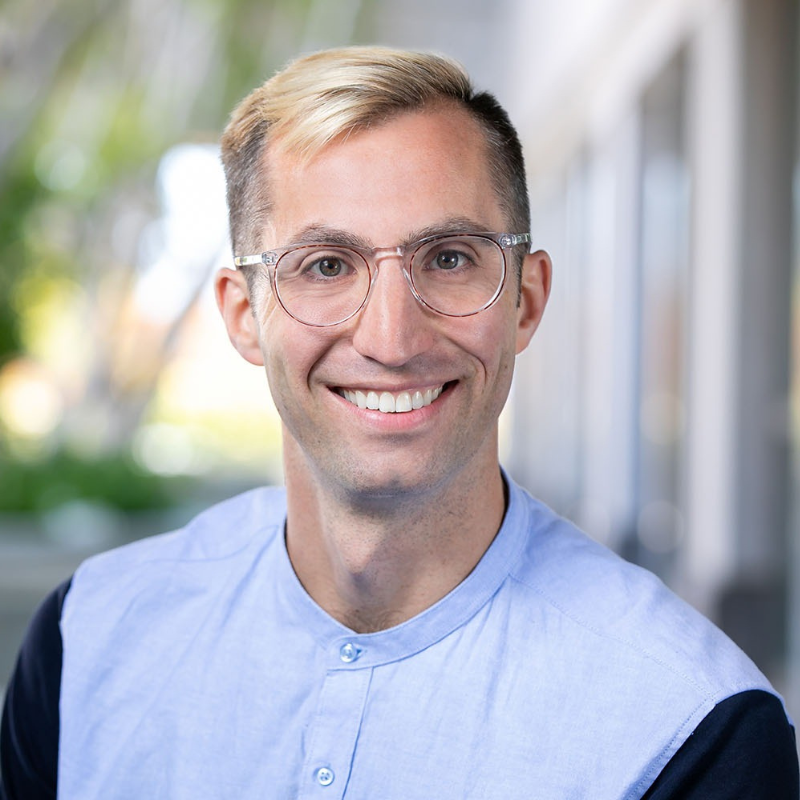
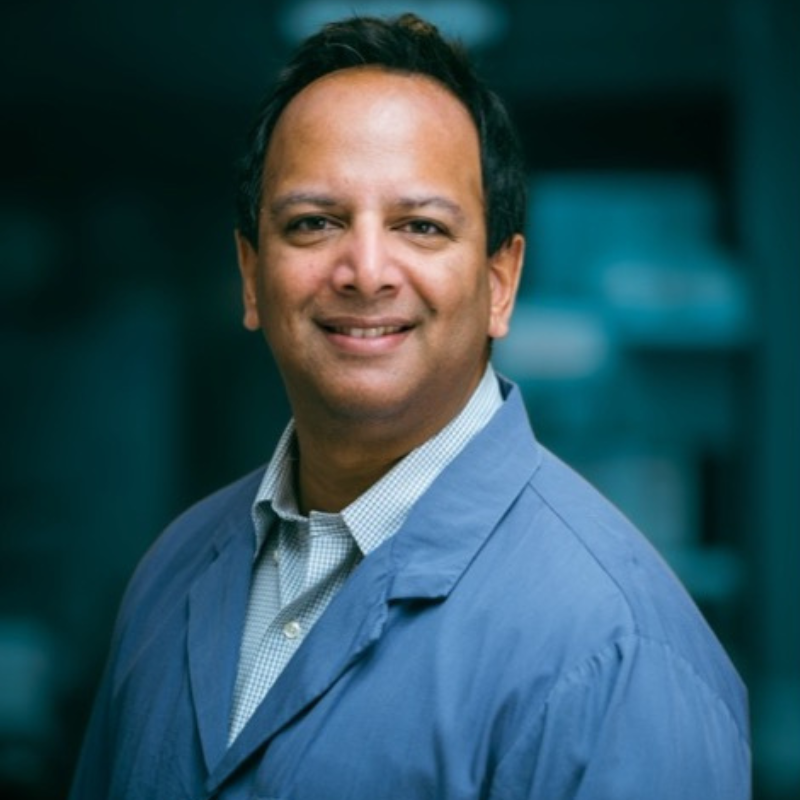
Matthew Buechler

Matthew Buechler, Co-Vice Chair

Assistant Professor, University of Toronto

Biography

Toggle visibility icon

Matthew Buechler received his PhD in the laboratory of Dr. Jessica Hamerman at the University of Washington. He performed his postdoctoral training with Dr. Shannon Turley at Genentech. Dr. Buechler started a laboratory at the University of Toronto in the Department of Immunology in 2021. His team studies how fibroblasts mediate inflammation and regeneration. He also serves as the Associate Chair for Wellness, Inclusion, Diversity and Equity and the Director of the Centre for Immune Analytics.

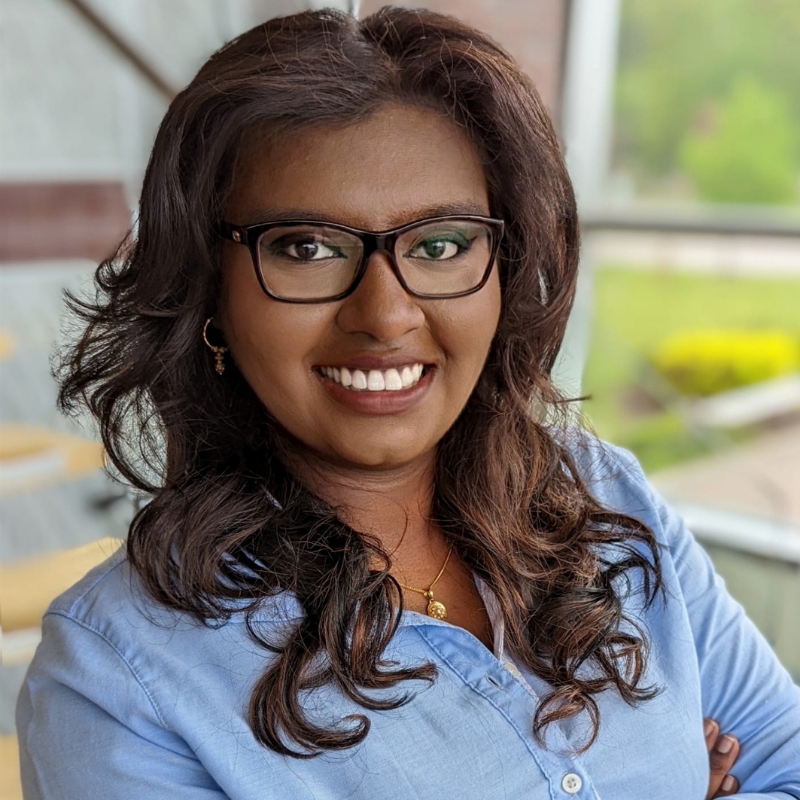
Nirosha Murugan

Nirosha Murugan, Co-Vice Chair

Laurier Distinguished Research Chair, Assistant Professor, Department of Health Sciences, Wilfrid Laurier University

Biography

Toggle visibility icon

Dr. Nirosha Murugan is a Tier 2 Canada Research Chair in Tissue Biophysics. She began her academic career as an Assistant Professor in the Department of Biology in Northern Ontario at Algoma University and has since joined Wilfrid Laurier University as a Laurier Distinguished Research Chair and Assistant Professor of Health Sciences. She earned her NSERC-funded Ph.D. in Biomolecular Sciences specializing in Cancer Biophysics and Neuroscience at Laurentian University, where she developed biophysical tools to non-invasively detect early cancer formation and reprogram malignant tissues by leveraging ion channel dynamics. As a postdoctoral fellow, she trained with Dr. Michael Levin and Dr. David Kaplan at Tufts University, where they developed a patented platform grounded in regenerative biology and biomedical engineering to stimulate latent developmental pathways to regenerate functional limbs in non-regenerative animals. Now spearheading her own lab, Dr. Murugan is supported by national and international funding agencies, including the Canada Research Chairs Program, NSERC, CFI, and NFRF. The overarching goal of her lab is to understand how biophysical signals can interact with diverse microenvironments to guide stem cell differentiation towards whole limb-regeneration and reprogram disease states, with the ultimate goal of translating these foundational discoveries into clinical applications.

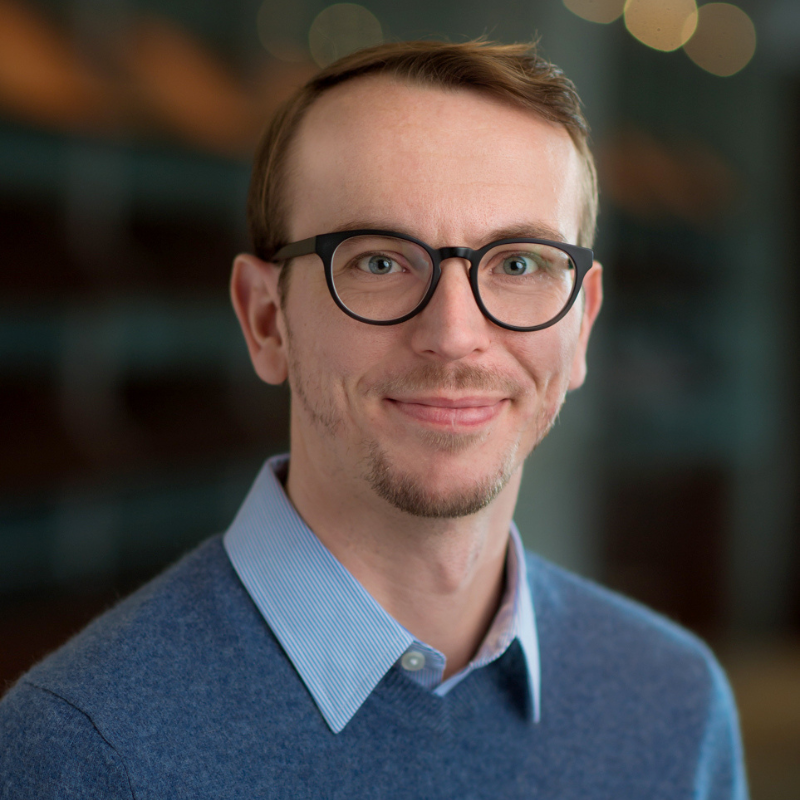
Alexander Baker

Alexander Baker

Assistant Professor, Dalhousie University

Biography

Toggle visibility icon

Dr. Alexander Baker is an Assistant Professor in the Department of Chemistry at Dalhousie University in Halifax, Nova Scotia since 2023. Dr. Baker completed his B.Sc. (Honours) in Chemistry and Biochemistry at Dalhousie University, followed by a Ph.D. in Chemical Engineering and Applied Chemistry with a Collaborative Specialization in Biomedical Engineering at the University of Toronto. His doctoral research focused on the development of click chemistry hydrogels and three-dimensional in vitro cancer models for drug screening under the supervision of Dr. Molly Shoichet. He subsequently completed two postdoctoral fellowships at the University of Toronto. In Dr. Shoichet’s laboratory, he developed injectable intraocular hydrogels for the treatment of retinal detachment and co-founded Synakis. Dr. Baker later joined Dr. Keith Pardee’s synthetic biology group, where his research focused on multiplexed diagnostics, cell-free protein synthesis, and expanding the genetic code through the incorporation of non-canonical amino acids.

The Baker Research Group develops soft functional biomaterials, synthetic biology technologies, and protein engineering strategies to address challenges in regenerative medicine. Current research integrates dynamic hydrogels, cell-free protein synthesis, and non-canonical amino acid technologies to create next-generation biomaterials and protein therapeutics.

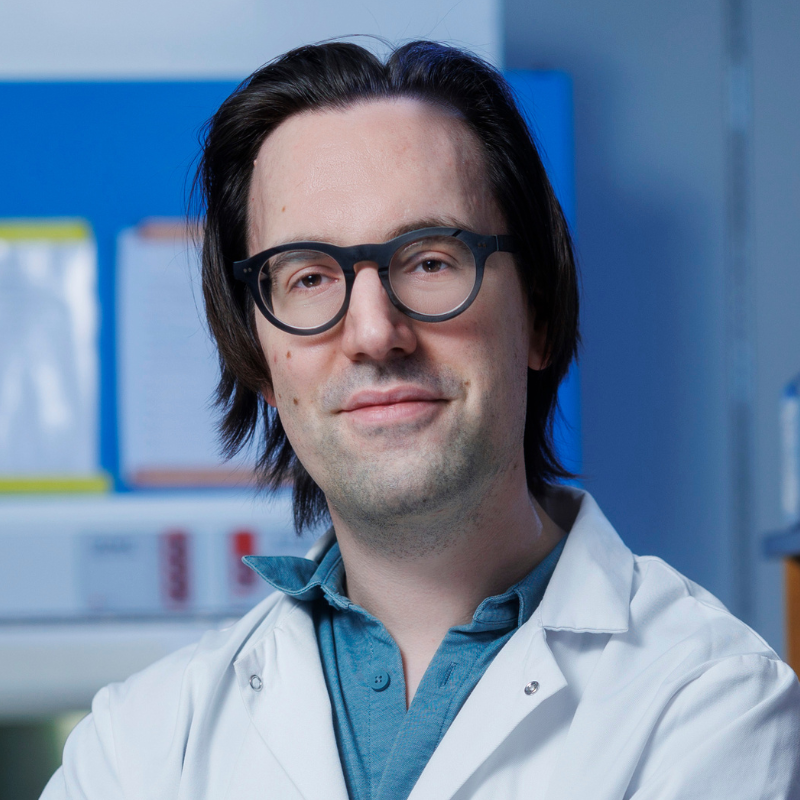
Anthony Flamier

Anthony Flamier

Assistant Research Professor, CHU Sainte-Justine, Université de Montréal

Biography

Toggle visibility icon

Dr. Anthony Flamier is an Assistant Research Professor at the University of Montreal and a Principal Investigator at CHU Sainte-Justine. He earned his Ph.D. in neuroscience and later pursued postdoctoral training at the Whitehead Institute for Biomedical Research in the laboratory of Dr. Rudolf Jaenisch. His research focuses on using stem cell models to study neurodevelopmental disorders and neurodegenerative diseases, with a particular interest in Rett syndrome and progressive supranuclear palsy (PSP). His lab employs genome editing techniques, single-cell sequencing, and RNA modifications to better understand disease mechanisms and identify potential therapeutic strategies.

Dr. Flamier’s work includes investigating primary cilia dysfunction in Rett syndrome and exploring gene editing approaches, such as prime editing, for rare genetic conditions. His research is highly collaborative, integrating fundamental biology with translational applications in close partnership with clinicians and other scientists. In addition to his research, Dr. Flamier is committed to mentoring students and fostering a collaborative scientific environment. He actively engages in national and international collaborations, aiming to contribute to the advancement of neuroscience and regenerative medicine.

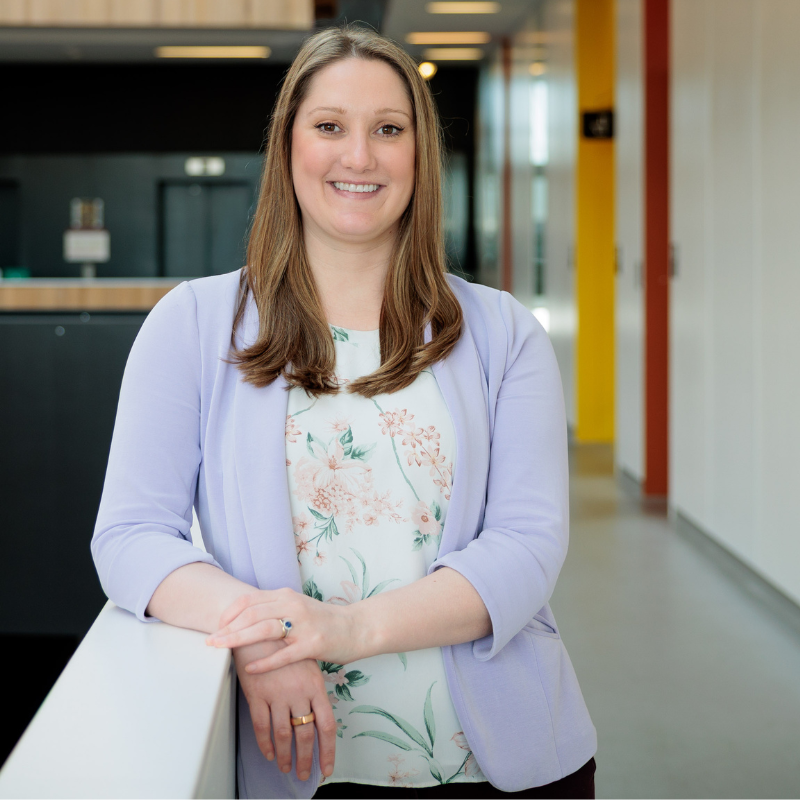
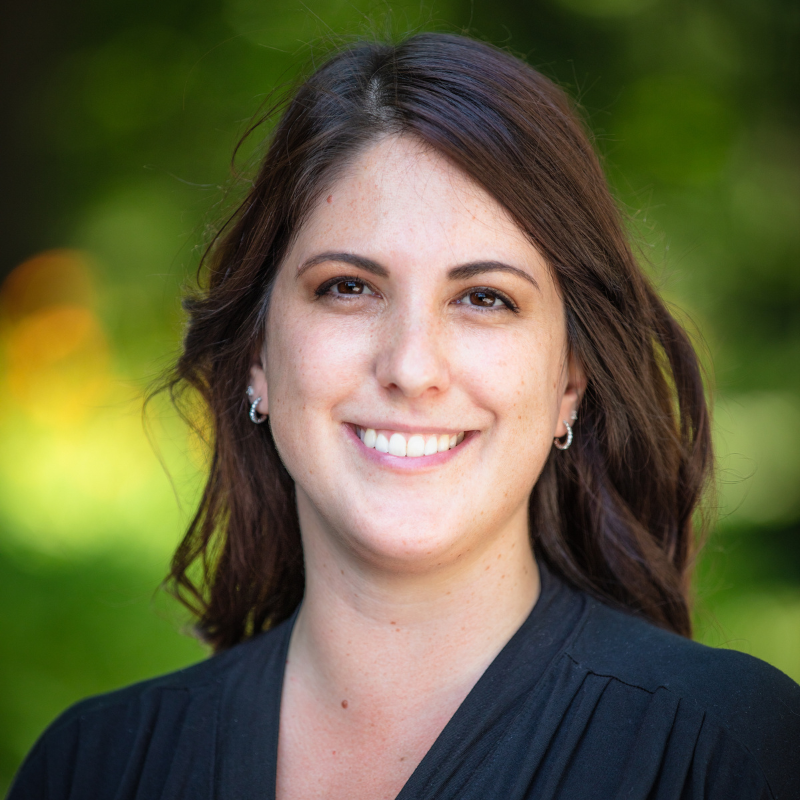
Nicole Krentz

Assistant Professor, University of British Columbia

Biography

Toggle visibility icon

Dr. Nicole Krentz is an Assistant Professor in the Faculty of Pharmaceutical Sciences at the University of British Columbia. She completed her Bachelor of Science in Cell Biology and Genetics at the University of British Columbia. Dr. Krentz received her Ph.D. in Cell and Developmental Biology from the University of British Columbia where she investigated a regenerative medicine approach to treat type 1 diabetes using human embryonic stem cells. For her postdoctoral fellowships, Dr. Krentz trained at the Wellcome Centre for Human Genetics at the University of Oxford and in the Department of Pediatrics Endocrinology at Stanford University where she studied the genetics of type 2 diabetes.  

In her research, Dr. Krentz studies the pathogenesis of diabetes with the aim of informing regenerative medicine approaches to treat diabetes. By combining her expertise in developmental biology and human genetics, Dr. Krentz focuses on how metabolic cells normally develop and how defects in this process leads to disease. She has won several awards in recognition of her excellence in research as well as several travel awards. In addition to her research, Dr. Krentz has been invited to present her work at various meetings, training networks, and public engagement events. 

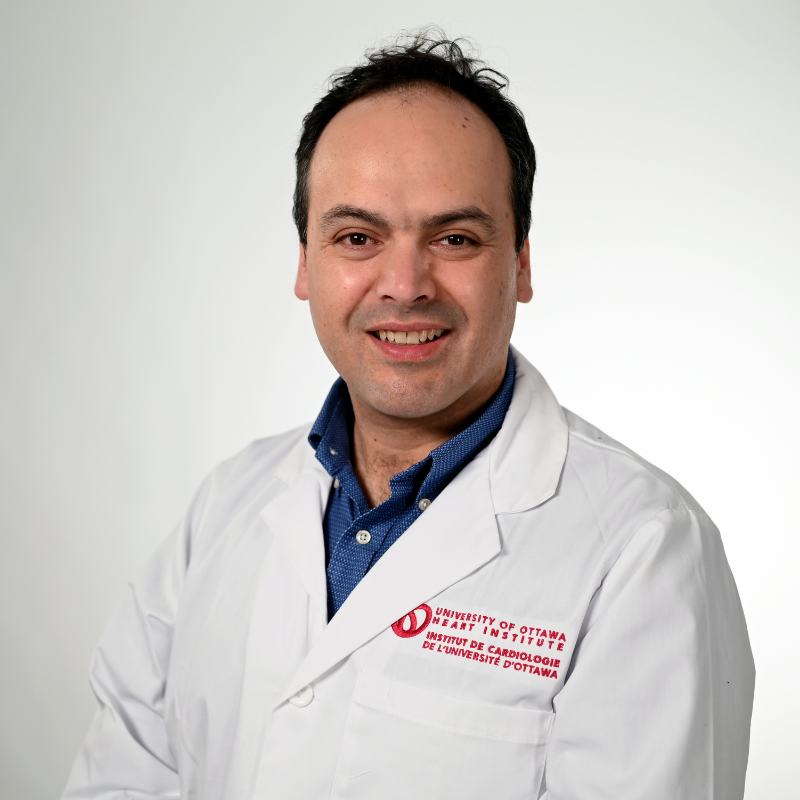
Marcelo Muñoz

Associate Scientist, University of Ottawa Heart Institute

Biography

Toggle visibility icon

Dr. Marcelo Muñoz is an early-career investigator at the University of Ottawa Heart Institute whose research advances regenerative medicine through biomaterials engineering and bioactive peptide design. His work focuses on developing implantable systems that actively guide tissue repair rather than passively replace damaged structures, particularly in cardiovascular applications where small-diameter vascular graft failure remains a major clinical problem. 

Trained as a pharmacist and chemist at the Pontifical Catholic University of Chile, where he was recognized as Best Graduated Pharmacist in Chile, Dr. Muñoz completed his Ph.D. in Chemistry in 2017 working on photochemical therapies. His research has since transitioned toward translational regenerative strategies that integrate materials science, biology, and clinical surgery. 

At the Ottawa Heart Institute, he develops bioinstructive hydrogels, fibrin-modulating peptides, and in situ forming vascular graft technologies designed to control coagulation, endothelialization, and long-term tissue remodeling. His work aims to recreate the regenerative microenvironment required for stable healing in blood-contacting devices, bridging the gap between cell biology discoveries and clinically deployable therapies. This program combines advanced manufacturing, AI-guided peptide engineering, and surgeon-driven design to enable next-generation regenerative implants. 

Dr. Muñoz has authored numerous publications in biomaterials and regenerative therapeutics and holds intellectual property in minimally invasive vascular graft generation technologies. His research emphasizes translation to clinical use and contributes to the growing paradigm that regenerative medicine depends not only on cells, but on engineered biological environments that direct functional tissue integration. 

Samantha Payne

Samantha Payne

Assistant Professor, University of Guelph

Biography

Toggle visibility icon

Dr. Samantha Payne is currently an Assistant Professor at the University of Guelph, Ontario, Canada in the department of Biomedical Sciences. Dr. Payne completed her BSc and MSc at the University of Guelph, followed by a Ph.D. in Chemical Engineering and Applied Chemistry at the University of Toronto, with a focus on developing cell transplantation strategies for brain repair after stroke. She then held a Postdoctoral Fellowship position at Tufts University studying the role of bioelectric signaling in breast cancer. The research goal of the Payne Lab is to understand how the peripheral nervous system controls important biological functions following tissue injury. The lab uses a variety of cell culture and animal models to investigate the interaction of peripheral nerves with fibroblasts, stem cells, and other cell types with the aim of developing therapeutic strategies to prevent scarring and promote wound healing and tissue regeneration. Dr. Payne’s research program is supported by NSERC, the Stem Cell Network, and CFI.

Karun K. Singh

Karun K. Singh

Ph.D, Senior Scientist, Krembil Research Institute, University Health Network (UHN), Associate Professor, Faculty of Medicine, University of Toronto

Biography

Toggle visibility icon

Dr. Singh is a Senior Scientist in the Donald K. Johnson Eye Institute and Krembil Research Institute, located with University Health Network (UHN) since 2020. He is an Associate Professor in the Departments of Ophthalmology and Vision Sciences, and Laboratory Medicine and Pathobiology (LMP) at the Faculty of Medicine, University of Toronto. Prior to this, he was at McMaster University from 2012-2020 where he was a Scientist and Neural Program Lead at the Stem Cell and Cancer Research Institute, The David Braley Chair in Stem Cell Research, and an Associate Professor in the Department of Biochemistry and Biomedical Sciences at McMaster University. His lab utilizes patient-derived neural 3D organoid/assembloid models, in combination with multi-omic approaches, to study neurodevelopmental and adult neurological and vision disorders. The long-term goal is to utilize these platforms to study disease etiology, and develop regenerative medicine approaches such as genetic therapies. He is funded by national and international funding from CIHR, NSERC, SCN, NFRF, ERARE, ERA-NET and the Ontario Brain Institute.

Tyler Wenzel

Tyler Wenzel

Assistant Professor; University of Saskatchewan, Department of Psychiatry

Biography

Toggle visibility icon

Dr. Wenzel (Ph.D., B.Ed.) is an Assistant Professor, licensed Canadian schoolteacher, and healthcare advocate. Dr. Wenzel’s laboratory is located at the University of Saskatchewan in the clinical Department of Psychiatry. A pillar of their research focuses on replacing the immune cells of the brain to treat different pediatric and adult diseases. Dr. Wenzel works alongside the adult and pediatric neurosurgeons, psychiatrists and neurodevelopmental pediatricians to facilitate the development of these cell therapies and ensure clinical relevance. In addition, Dr. Wenzel works alongside patient partners across North America to better understand ways to improve the care they receive.

Before research, Dr. Wenzel was a schoolteacher and head of a special education department in British Columbia. In this role, Dr. Wenzel taught high school students with a diverse array of learning barriers, and created accessible lesson plans that encouraged school attendance and engagement. Dr. Wenzel received their doctoral degree from the University of British Columbia, and completed their postdoctoral fellowship at the University of Saskatchewan whereby they setup the first stem cell facility at the institution. As a postdoctoral fellow, Dr. Wenzel developed brain and intestinal organoid models of diseases, including Crohn’s and Alzheimer’s disease, to better understand mechanisms underpinning these diseases.

Training & Education Committee

The purpose of the Training & Education Committee (TEC) is to support SCN in the development and implementation of a regenerative medicine training program that ensures highly qualified personnel (HQP) are well-placed to compete in Canada’s knowledge-based economy and equipped with the skills to work in the regenerative medicine labs and biotech companies of today and tomorrow.

Committee Members

Toggle visibility icon

Training & Education Committee

The purpose of the Training & Education Committee (TEC) is to support SCN in the development and implementation of a regenerative medicine training program that ensures highly qualified personnel (HQP) are well-placed to compete in Canada’s knowledge-based economy and equipped with the skills to work in the regenerative medicine labs and biotech companies of today and tomorrow.

closed

Application Process Closed

SCN is not currently seeking new members to join our Training and Education Committee (TEC).

Check back in the future!

Terry Sachlos

Terry Sachlos, Chair

Director, Stem Cell Engineering Lab, York University; Assistant Professor, York University

Biography

Toggle visibility icon

Dr. Terry Sachlos is Director of the Stem Cell Engineering Lab at York University and an Assistant Professor in the Department of Mechanical Engineering, Lassonde School of Engineering at York University in Toronto. He is also the Associate Director of the Bergeron Entrepreneurs in Science & Technology program and a member of the Department of Biology Graduate Program at YorkU. His research interests lie in regenerative medicine with a specific focus on elucidating stem cell-extracellular matrix interactions of the hematopoietic & leukemic stem cell niche to regulate stem cell fate decisions and 3D printing of vascularized bone marrow for cell therapy and drug screening applications. Prior to joining YorkU, he received his doctorate from the University of Oxford and conducted postdoctoral research at Harvard, MIT and McMaster. He has authored multiple peer-reviewed articles, including a publication in the top-tier journal Cell, which have collectively garnered over 3,000 citations. Terry is a serial entrepreneur, having filed 8 patent applications, and co-founded several start-up companies to commercialize his research. His research findings have also been translated into a clinical trial to repurpose thioridazine, an established anti-psychotic drug, as a novel anti-leukemia drug. His research is currently supported by NSERC and CIHR.

Mohsen Akbari

Mohsen Akbari

PhD., P.Eng., FIAAM, MCBS, MCSME, MRSC, Associate Professor, Mechanical Engineering, University of Victoria

Biography

Toggle visibility icon

Dr. Mohsen Akbari is an Associate Professor of Mechanical Engineering, the Director of the Laboratory for Innovations in Microengineering (LiME) at the University of Victoria, an Affiliated Associate Professor at the School of Biomedical Engineering at the University of British Columbia, adjunct professor at Terasaki Institute for Biomedical Innovation and Department of Bioengineering at University of California-Riverside. In addition to his professorship, he is a senior board member at the Canadian Biomaterials Society, board member at the Canadian Society for Mechanical Engineering, member of the Center for Advanced Materials and Related Technologies (CAMTEC), investigator at International Collaboration on Repair Discoveries (ICORD), Associate Member of Djavad Mowafaghian Centre for Brain Health, the co-founder and Chief Scientific Officer at 4M Biotech, and Scientific Advisor at Apricell Biotech. Dr. Akbari obtained his Ph.D. from Simon Fraser University and received postdoctoral training at Harvard Medical School and Brigham and Women’s Hospital. He is the recipient of several awards and recognitions, including the Keston Award, membership of the College of New Scholars at the Royal Society of Canada, Lifetime Fellow of International Association for Advanced Materials (IAAM), Scientist Medal from IAAM, Faculty of Engineering Teaching Excellence Award, Michael Smith Foundation for Health Research Idea to Commercialization Award, NSERC Postdoctoral Fellowship Award, BC Innovation Council Research Award, Kaiser Foundation Award, and recognized as a Canadian Rising Star in Global Health by Grand Challenges Canada. Dr. Akbari is on the editorial board of Biofabrication, International Journal of Bioprinting, Micromachines and Gels. He is also member of the Board of Directors of the Canadian Biomaterials Society. His research findings have been published in 140 peer-reviewed journal papers and book chapters with an h-index of 46 and over 9200 citations. His work has been featured on the cover of 12 Journals and reported in +70 media outlets such as CBC News, Time Colonist, BBC News, Google News, Science Daily, The Telegraph, Fortune, and NSERC website.

Lorena Braid

Lorena Braid

Assistant Professor, Dept. of Molecular Biology and Biochemistry, Centre for Cell Biology, Development and Disease, Simon Fraser University; Founder and CSO, Aurora BioSolutions Inc.

Biography

Toggle visibility icon

Dr. Lorena Braid is an Assistant Professor in the Department of Molecular Biology and Biochemistry and the Centre for Cell Biology, Development and Disease at Simon Fraser University (BC, Canada) and Founder and CSO of Aurora BioSolutions. Following a Ph.D. in developmental genetics and cell signaling, Dr. Braid completed a postdoctoral NSERC Visiting Fellowship at Defence Research and Development Canada where she explored the usefulness of mesenchymal stromal cells (MSCs) for military medicine. Dr. Braid subsequently founded Aurora BioSolutions Inc. where she leads a research team to develop ruggedized MSC-based treatments that are useful outside clinical settings for combat and mass casualty critical care. In recognition of her contributions to the advancement of MSC therapies, in 2021 Dr. Braid was awarded a Canada Research Chair in MSC Biology. She was recruited to SFU in September 2020, where she established the MSC Discovery and Innovation Lab. Here, Dr. Braid is building a multidisciplinary team to study the roles of endogenous MSCs in physiology, idiopathic diseases and aging and to develop new biomaterials and high-fidelity 3D tissue models. Her combined research efforts aim to achieve practical and cost-effective health solutions derived from MSCs, or that target MSCs in situ.

Maryam Faiz

Associate Professor, University of Calgary

Biography

Toggle visibility icon

Maryam Faiz is an Azrieli Associate Professor in Neurodevelopment at the University of Calgary. After completing her PhD at the Autonomous University of Barcelona and postdoctoral fellowships at the University of Gothenburg and Mount Sinai Hospital in Toronto, she spent 8 years as an assistant and then associate professor at the University of Toronto before moving University of Calgary in 2025. The Faiz Lab is interested in uncovering new treatments for brain injury and disease. We believe that the key to brain repair, is understanding astrocytes! Areas of research in the Faiz Lab include: the establishment of astrocyte heterogeneity in the developing cortex, the roles of astrocytes in the stroke-injured brain and how gut-derived signals can influence their responses, and the direct lineage reprogramming of astrocytes to other neural cell types. 

Golnaz Karoubi

Golnaz Karoubi

Scientist and Principal Investigator, Toronto General Hospital Research Institute; Assistant Professor, University of Toronto

Biography

Toggle visibility icon

Dr. Golnaz Karoubi is a Scientist and Principal Investigator at the Toronto General Hospital Research Institute (TGHRI, University Health Network). She is an Assistant Professor in the department of Laboratory Medicine and Pathobiology and is cross appointed in the department of Mechanical Engineering at the University of Toronto. Dr. Karoubi received her Ph.D. in Applied Science and Engineering at the University of Toronto in 2006 and joined the Lung Regenerative Medicine Program in the Department of Clinical Research in Berne University, Switzerland for a post-doctoral research fellowship. She stayed on as a Group Leader in 2008 to direct the basic and transitional science as related to Lung Regenerative Medicine until 2012. In late 2012, she joined the team of Dr. Tom Waddell at the TGHRI as a Senior Scientific Associate, was appointed to Assistant Scientist at the TGHRI in November 2019 and to Assistant Professor in the Department of Laboratory Medicine and Pathobiology in July 2020. She received her Scientist appointment TGHRI in April 2023. Her research interests include development of practical approaches for treatment of lung and airway disease. Studies focus on: (1) Airway regeneration; (2) Use of stem cell-derived airway cells for tissue engineering applications; and (3) Cell-based therapy for end-stage lung disease.

Shirley Mei

Shirley Mei

Investigator, Regenerative Medicine Program, Ottawa Hospital Research Institute

Biography

Toggle visibility icon

Dr. Shirley Mei is an Investigator in the Regenerative Medicine Program at the Ottawa Hospital Research Institute (OHRI) and the former Chief Operating Officer of the Northern Therapeutic Inc. With over 20 years of experience in academia and industry, she specializes in the discovery of novel cell and gene therapy candidates, the design and execution of regulatory-enabling nonclinical, toxicology, and biodistribution studies, and the development of CMC (chemistry, manufacturing, and controls) programs for clinical translation. The team led by Dr. Mei is skilled in stem cell manufacturing process scale-up and optimization, technology transfer, stability programs, safety testing, and potency assay development. Dr. Mei spearheaded the advancement of several mesenchymal stem cell (MSC)-based therapies from bench to bedside, including the world’s first genetically engineered MSC product to enter a Phase 1 clinical trial for septic shock patients (NCT04961658). Her lab at OHRI investigates how MSCs modulate immune cells in diseases such as sepsis, ARDS, and H1N1, via multi-omics approaches, aiming to develop next-generation cell and gene therapies. Prior to 2016, Dr. Mei served as Program Director for two Ontario Research Fund programs and the CIHR-funded Vascular Network, where she led strategic planning, stakeholder engagement, training programs/funding initiatives, and program operations.
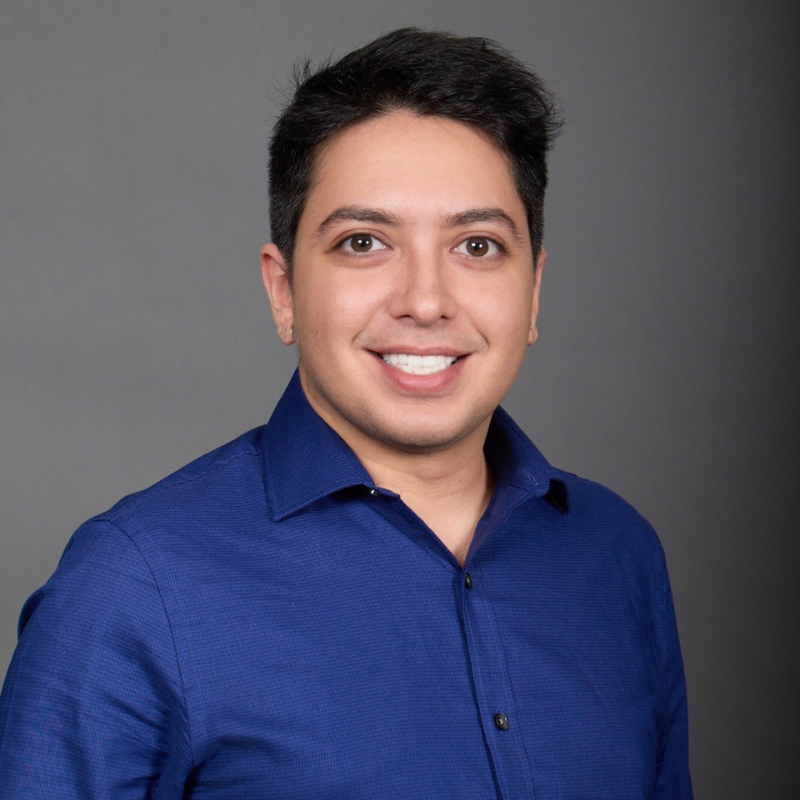
Kevin Robb

Kevin Robb

Scientist, STEMCELL Technologies

Biography

Toggle visibility icon

Kevin Robb is a Scientist in Research & Development at STEMCELL Technologies in Vancouver, Canada. In this role, he develops products and workflows that support research in the mesenchymal stromal cell (MSC) field. Prior to joining STEMCELL, Kevin completed a Ph.D. in Biomedical Engineering at the University of Toronto and University Health Network. His doctoral research focused on improving MSC therapies for knee osteoarthritis, yielding multiple publications and patent applications. Kevin holds a MESc from Western University and a BSc Hon. Physiology from McGill University. Outside the lab, Kevin writes about professional development and cell therapies as a blogger for the Centre for Commercialization of Regenerative Medicine (CCRM) in Toronto.

Houman Savoji

Associate Professor, Polytechnique Montreal, University of Montreal

Biography

Toggle visibility icon

Dr. Houman Savoji is an Associate Professor of Biomedical and Mechanical Engineering at Polytechnique Montreal and Principal Investigator at the CHU Sainte-Justine Research Center, where he holds the TransMedTech Chair in 3D Bioprinting and Regenerative Medicine. He previously served as an Assistant Professor in the Department of Pharmacology and Physiology at the University of Montreal. His research program focuses on developing physiologically relevant, human tissue–based experimental systems to study function, disease mechanisms, and therapeutic responses. 

Trainee Communications Committee

The purpose of SCN’s Trainee Communications Committee (TCC) is to contribute to the development and delivery of SCN’s training program for trainees in the stem cell and regenerative medicine community.

Committee Members

Toggle visibility icon

Trainee Communications Committee

The purpose of SCN’s Trainee Communications Committee (TCC) is to contribute to the development and delivery of SCN’s training program for trainees in the stem cell and regenerative medicine community.

closed

Application Process Closed

SCN is not currently seeking new members to join our Trainee Communications Committee (TCC).

Check back in the future!

Dylan Siriwardena

Dylan Siriwardena, Chair

Postdoctoral Fellow, University of Toronto

Biography

Toggle visibility icon

Dylan is a postdoctoral fellow in Dr. Aaron Wheeler’s lab at the University of Toronto. His research focuses on understanding early placenta formation and developing prenatal diagnostics for congenital and placental disorders. Dylan is passionate about scientific communications, having participated in numerous outreach events including Stem Cell Talks and Science Rendezvous. When not in the lab, Dylan enjoys rollerblading, running, and playing dungeons and dragons.

Alex Cho

Alex Cho, Vice-Chair

Ph.D. Candidate, University of Toronto

Biography

Toggle visibility icon

Alex is a Ph.D. Candidate affiliated with the Department of Physiology at the University of Toronto working under the supervision of Dr. Cristina Nostro at the McEwen Stem Cell Institute. In his research, Alex aims to explore the differentiation of pluripotent stem cells into pancreatic cell fates for applications in studying pancreatic development and the pathogenesis of cystic fibrosis-related diabetes. Alex is passionate about science communication, graduate professional development, and fostering the growth of diverse and inclusive scientific networks. When not feeding cells, you will find Alex reading, listening to music, baking, taking pictures of his dog, or working on his next artistic project.

Nouran Al-Banaa

Ph.D. Candidate, Western University

Biography

Toggle visibility icon

Nouran is a Ph.D. trainee in the Hess Lab at the Robarts Research Institute, Western University. Her research focuses on leveraging and enhancing the secretome of mesenchymal stromal cells (MSC) to promote endogenous islet regeneration and improve PSC-derived islet-like cell maturation in the context of autoimmune Type 1 diabetes. Outside of the lab, Nouran enjoys running, reading, spending time with family, and engaging in science outreach within the community. 

Ohanes Ashekyan

Ph.D. Candidate, Ottawa Hospital Research Institute, University of Ottawa

Biography

Toggle visibility icon

Ohanes is a Ph.D. Candidate at the Ottawa Hospital Research Institute, affiliated with the University of Ottawa. Under the supervision of Dr. Michael Rudnicki at the Sprott Centre for Stem Cell Research, I am studying the role of non-coding RNAs in muscle stem cell quiescence. Specifically, he is making use of cutting-edge next-generation sequencing library preparation methods to map the complete transcriptome of muscle stem cells, which includes a variety of RNA types, some having protein-coding, and others regulatory functions. His work involves a blend of experimental and computational methods to identify and characterize the functional role of candidate non-coding RNAs in muscle stem cell maintenance and regeneration. He is passionate about empowering fellow students for a successful career in Academia and/or Industry. Considering the diverse set of skills required in life sciences-related careers, he believes that mentorship and constant skill-building initiatives are essential for trainees. Out of science, he is a violinist who plays gigs and teaches. In addition, he is passionate about sports (Football & Basketball), and Formula 1.
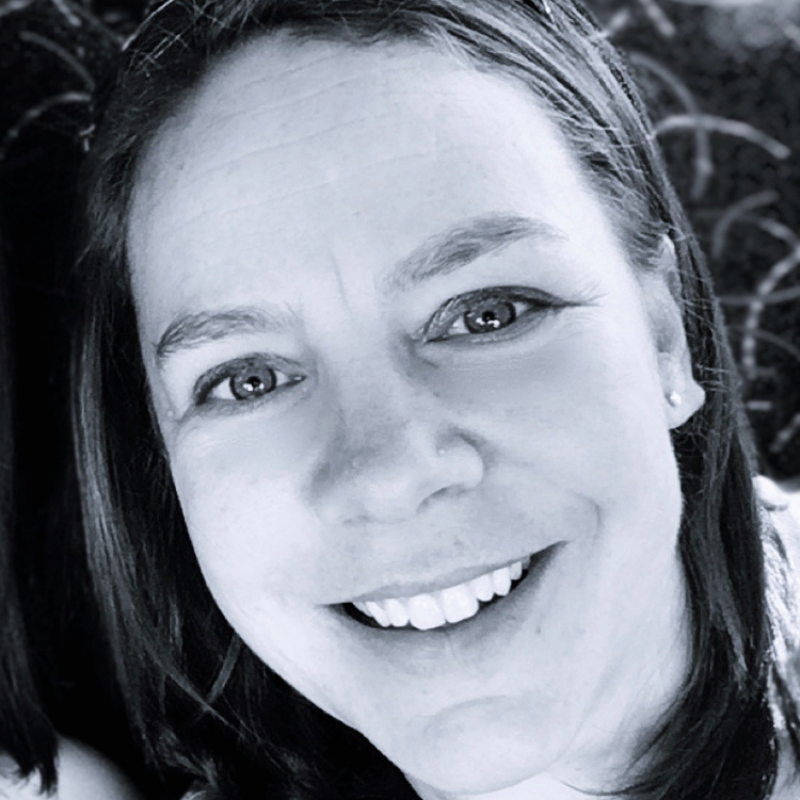
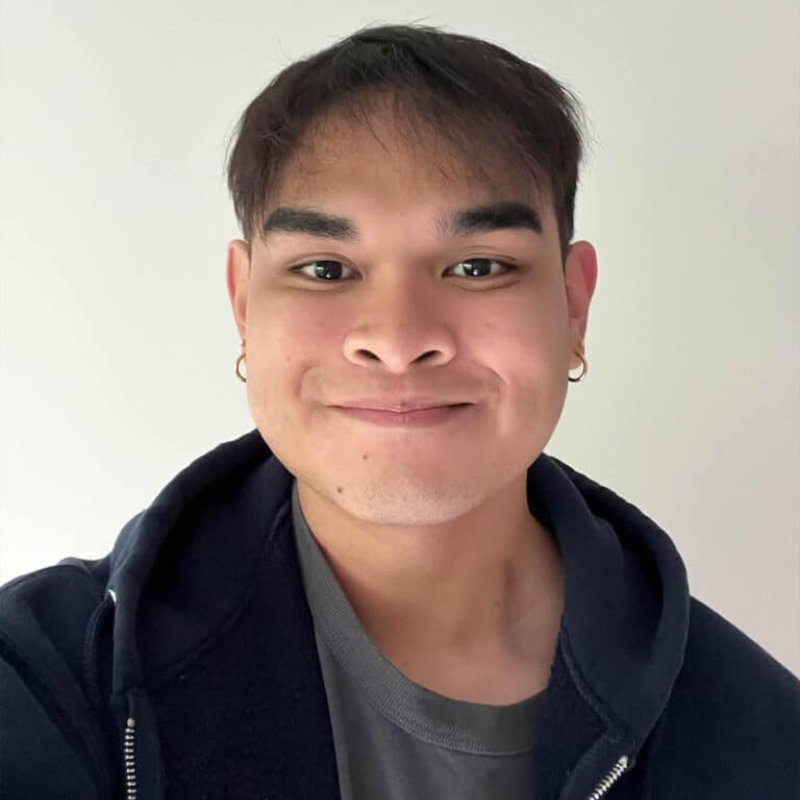
Shahnaz Babaei Abraki

Shahnaz Babaei Abraki

Postdoctoral Research Fellow, University of Calgary

Biography

Toggle visibility icon

Shahnaz is a postdoctoral researcher at the University of Calgary specializing in pluripotent stem cells. With over two years of postdoctoral experience in Alberta, her research focuses on gene editing techniques, stem cell differentiation, and high-throughput screening for therapeutic applications. She has worked extensively on retinal organoid development and is dedicated to advancing tissue engineering and regenerative therapies. Her goal is to explore the integration of stem cell-based solutions in clinical applications to enhance therapeutic outcomes.

Haider Bilal

Haider Bilal

MSc Student, Simon Fraser University

Biography

Toggle visibility icon

Haider is a MSc student at Simon Fraser University, where he also completed his BSc with Honours in Molecular Biology and Biochemistry. He is currently researching mesenchymal stem cells (MSC) and neurodegenerative diseases, under the supervision of Dr. Lorena Braid. Having been pursing research for the past four years he is passionate about promoting regenerative medicine and cultivating an environment where trainees can advance their skills and confidence. Outside of the lab you can find Haider relaxing at home with his two cats, or if the sun is shining, hiking with his friends.

Giada Castagnola

Ph.D. student, McGill University

Biography

Toggle visibility icon

Giada is a Ph.D. student at McGill University working under the supervision of Dr. Terry Hébert. As part of the Heart-In-A-Dish project, her work focuses on better understanding cardiovascular disease by modelling disease in a dish using patient stem cell–derived models. While her previous work focused on building a pipeline to profile patient-derived cardiac cells, she currently focuses on better understanding the role of genetic mutations in the development of heart disease. Giada is also involved in science outreach and communication initiatives and is an active member of several committees. Outside of science, she enjoys testing new recipes in the kitchen, reading the latest murder mystery novel and taking her dog on long walks. 

Nerea Cuesta-Gomez

Nerea Cuesta-Gomez

Postdoctoral Research Fellow, University of Alberta

Biography

Toggle visibility icon

Nerea is a Postdoctoral Research Fellow in Andrew Pepper and Greg Korbutt’s lab at the University of Alberta. Her research focuses on the use of mesenchymal stromal cells for tissue vascularization and islet transplantation for the treatment of Type 1 Diabetes. Nerea is deeply committed to promoting equity and diversity within the stem cell research community. Recognizing the importance of diverse perspectives and experiences in driving innovation, she is dedicated to advocating for inclusive practices that empower individuals from underrepresented backgrounds to thrive in STEM fields. Nerea believes that fostering a diverse and inclusive environment not only enriches scientific discourse but also strengthens the ethical foundations of our research endeavors. Outside of the lab, she loves travelling around the world, skiing and spending time with her dog, family, and friends.

Mark Danesh

Ph.D. candidate, York University

Biography

Toggle visibility icon

Mark is a Ph.D. candidate at York University under the supervision of Drs Anthony Scimè and Tara Haas. His research explores the role of metabolic stress on skeletal muscle stem cell regenerative potential. He is passionate about promoting an environment where trainees can demonstrate their talents and advance their careers. 

Pauline Garcia

Pauline Garcia

Postdoctoral Research Fellow, Université de Montréal

Biography

Toggle visibility icon

Pauline is a postdoctoral researcher currently working in Nicolas Dumont’s laboratory in CHU Sainte-Justine in Montréal, Canada. She discovered muscle stem cells (MuSCs) during her time in Jérôme Feige’s lab in Switzerland and pursued a Ph.D. in this field, working with Fabien Le Grand in Lyon, France, for four years focusing on MuSCs during skeletal muscle regeneration. Now, during her postdoc, her goal is to understand MuSC defects in context of DM1. She likes interacting with people, running, and go outside the lab with her labmate.
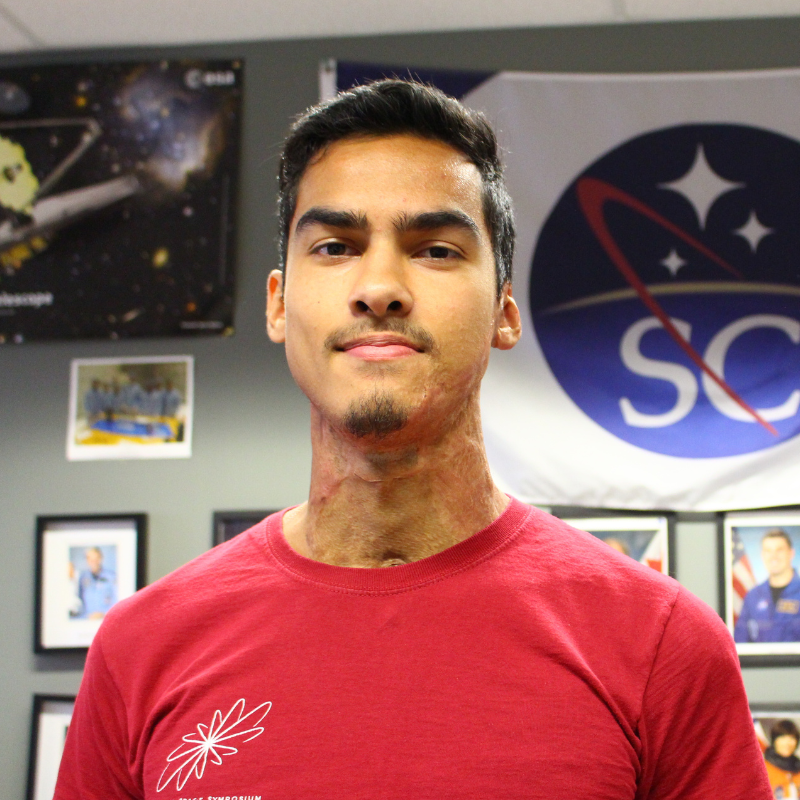
Ali Mousavi

Postdoctoral Fellow, McGill University Health Centre

Biography

Toggle visibility icon

Ali is a postdoctoral fellow at the McGill University Health Centre and a visiting researcher at the National Research Council Canada under the supervision of Dr. Renzo Cecere and Dr. Teodor Veres. His research focuses on developing advanced organ-on-a-chip platforms to model human cardiovascular diseases and improve preclinical therapeutic evaluation. He completed his PhD in Biomedical Engineering at Université de Montréal and CHU Sainte-Justine Research Center, where he developed innovative heart-on-a-chip models using patient-derived human induced pluripotent stem cells to study cardiac function and disease mechanisms. He currently holds a prestigious fellowship from Fonds de recherche du Québec – Santé (FRQS), and his work integrates cardiac and hepatic tissues in microphysiological systems to better model complex human pathophysiology in vitro. His interdisciplinary research combines biomaterials engineering, microfluidics, stem cell technologies, and tissue engineering. His goal is to translate bioengineered platforms into clinically relevant tools for personalized medicine. Outside the lab, he enjoys traveling, hiking, listening to music, reading, exploring new foods, photography, and playing tennis. 
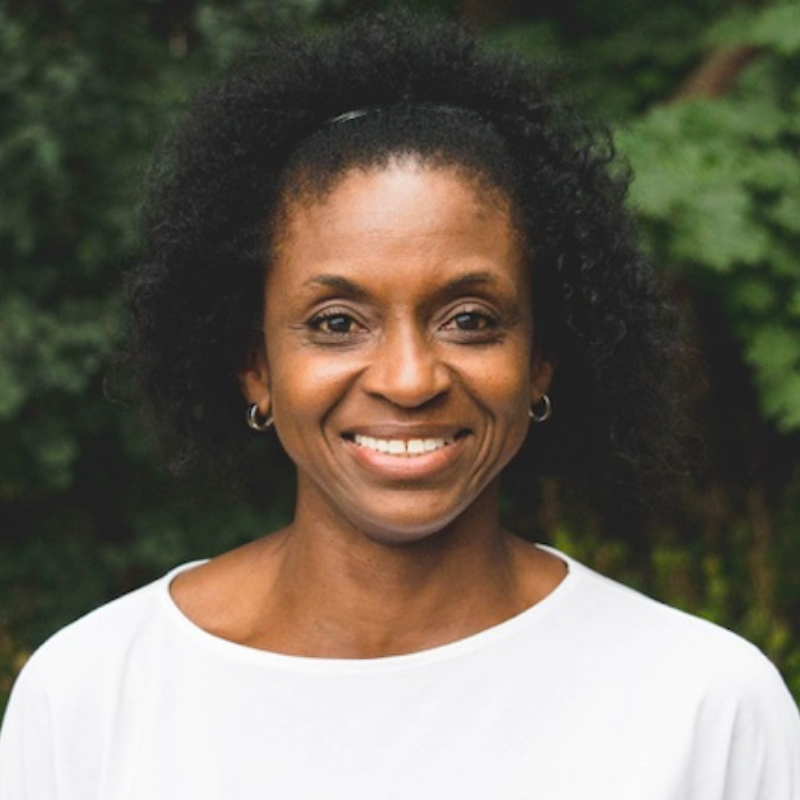
Alexandra Noble

MSc Student, University of Guelph

Biography

Toggle visibility icon

Alex is an MSc student at the Ontario Veterinary College, working in the Payne and Vickaryous labs. Her research addresses a central question in neurobiology: why are some species capable of regeneration while others are not? Using leopard geckos as a model, she studies how the brain can self-repair and restore function after injury. Through her work, she aims to uncover cellular and molecular mechanisms that may inform regenerative strategies in other species. When she is not in the lab, you can usually find her baking, hiking, or spending time with her cat, Topher. 

Miku Tibule

B.Sc. (Hons.), M.Sc. Student, University of Saskatchewan

Biography

Toggle visibility icon

Miku completed his B.Sc (Honours) at the University of Manitoba with a concentration in Cell, Molecular, and Developmental Biology and a Minor in Microbiology. He is pursuing a Master’s in Biological Psychiatry, with plans for a Ph.D. transition, under Dr. Tyler Wenzel’s supervision. Miku’s research involves generating knockout human induced pluripotent stem cell lines that will be used to differentiate into different glial cells and neurons, which will be used to study the pathogenesis and possible treatment applications for X-linked adrenoleukodystrophy. Miku believes in cultivating an inclusive environment where everyone can participate in scientific research and discussions, and to diversify their skillset required for a career in health sciences. Without the pipette and lab coat, Miku is just your average guy who likes to play video games, travel, and try to cook different recipes. 
Patient Committee

The purpose of the Patient Committee is to support SCN in patient engagement initiatives and inform the direction of the Network’s public facing materials.

Committee Members

Toggle visibility icon

Patient Committee

The purpose of the Patient Committee is to support SCN in patient engagement initiatives and inform the direction of the Network’s public facing materials.

closed

Application Process Closed

SCN is not currently seeking individuals to join our Patient Committee.

Check back in the future!

Sarah Benedict

Biography

Toggle visibility icon

Sarah Benedict is a lifelong resident of Ottawa, where she lives with her husband and two children.  She is a former Dental Hygienist who is now an active member of her community, managing many of her kids sports teams, and is involved with several committees at the kids schools. When not at the soccer field or hockey rink, Sarah also enjoys travelling.

In Early 2015 Sarah was diagnosed with Neuromyelitis Optica Spectrum Disorder, and underwent an Autologous Stem Cell Transplant later that year under the care of Dr. Harold Atkins at the Ottawa Hospital.

Kevin Bolusi

Kevin Bolusi

Biography

Toggle visibility icon

Hello I’m Kevin Bolusi, I was electrocuted in 2015 resulting in third degree burns over 75% of my body and an above knee amputation of my left leg. I was placed into a coma and my parents consented to my participation in an SCN- funded clinical trial led by Dr. Véronique Moulin. The research was testing an autologous tissue-engineered skin substitute. The treatment is faster than skin grafting, and the risk of rejection is much lower due to the use of personalized skin cells. My recovery has been remarkable. I graduated from Concordia in aerospace engineering and now work as a mechanical designer. In my free time, I’m a paraclimber and paraskier.

Chairman Brown

Charmain Brown

Biography

Toggle visibility icon

Charmain Brown is a dedicated educator with the York Region District School Board with extensive leadership in curriculum, instruction, equity and inclusion.  She is also an Adjunct Professor in the Faculty of Education at Tyndale University.  Her two young adult children underwent successful gene therapy for Retinitis Pigmentosa after several years of community and political advocacy for the vision community.  Charmain resides in Pickering, Ontario with her partner and two children.

Karen Peat

Karen Peat

Biography

Toggle visibility icon

Karen Peat is a devoted mother, wife, community member and type 1 diabetic. Karen was diagnosed with diabetes at age 11 and was faced with the lifelong challenges of managing the disease. During her third pregnancy, Karen fell into a coma while napping. Although both her and her baby survived the episode, Karen’s healing took years. In 2004, Karen successfully underwent a groundbreaking stem cell transplant, coined the Edmonton Protocol, developed by Dr. James Shapiro and colleagues at the University of Alberta. Today, Karen resides in the breathtaking landscapes of Vancouver, British Columbia, cherishing each moment and embracing all that life has to offer.

Joshua Robertson

Joshua Robertson

Biography

Toggle visibility icon

Joshua Robertson is a university student advisor, trivia aficionado, father of three and a Type 1 Diabetic.  He brings lived experience to the committee as a participant in a multi-year, first-in-human, Type 1 Diabetes stem cell trial (see the documentary “The Human Trial“).  Given his first-hand experience with the incredible potential of stem cell-based therapeutics, he hopes to lend his voice and perspective to promote their further exploration.