Announcements

Stem Cell Network makes first direct biotech investment, awarding $1 million to Montreal-based RejuvenRx

Read Now
Stem Cell Network makes first direct biotech investment, awarding $1 million to Montreal-based RejuvenRx

Stem Cell Network makes first direct biotech investment, awarding $1 million to Montreal-based RejuvenRx

Read Now
Content is loading…

TMM News

Dr. Stephanie Xie receives 2026 Till & McCulloch Award for discovery of inflammatory memory in blood stem cells

October 15, 2026 

Dr. Stephanie Xie has been named the recipient of the 2026 Till & McCulloch Award for research revealing how inflammatory experiences can leave a lasting “memory” in human blood-forming stem cells.

Announcements

Stem Cell Network Welcomes Dr. Anthony Flamier to SCN-RDMM Catalyst Grant Program

September 28, 2026 

The Stem Cell Network (SCN) and the Rare Diseases: Models and Mechanisms Network (RDMM) are pleased to announce Dr. Anthony Flamier as the latest recipient of the SCN-RDMM Catalyst Grant.

Announcements

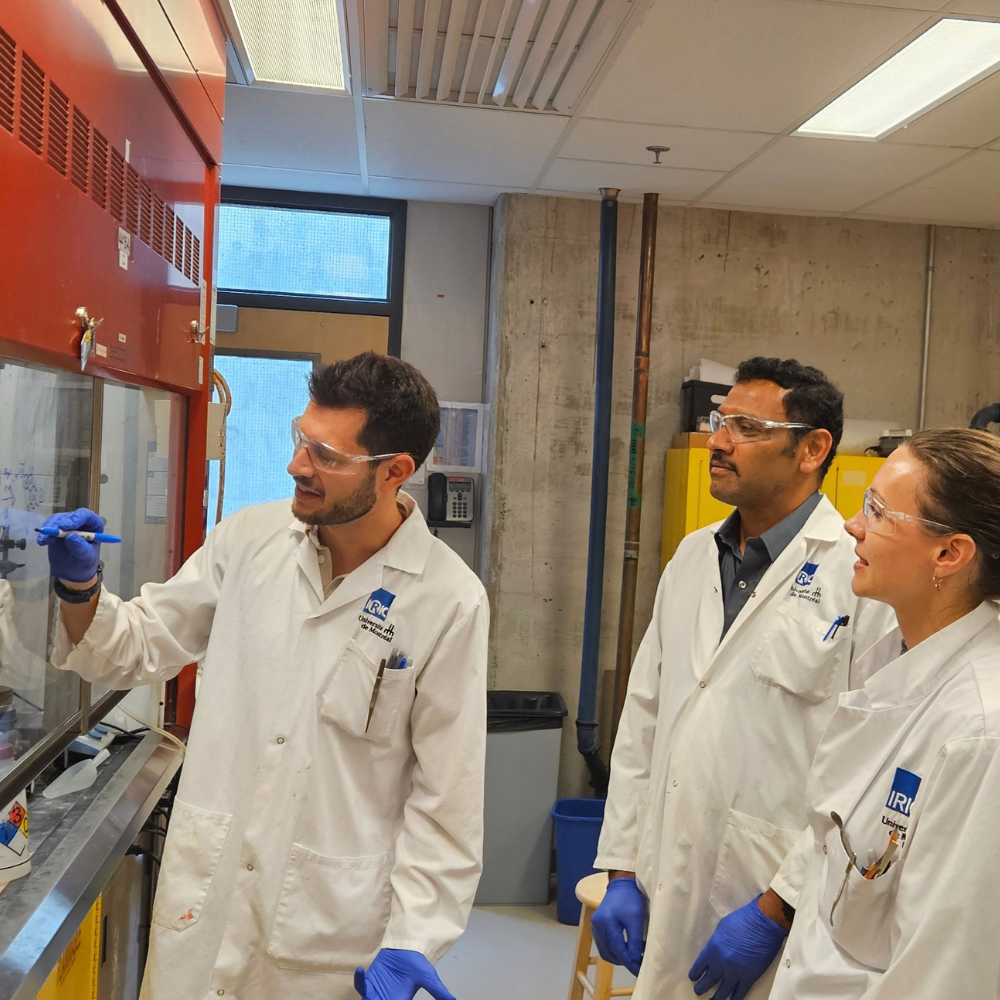
Stem Cell Network makes first direct biotech investment, awarding $1 million to Montreal-based RejuvenRx

September 21, 2026 

New Incubation Investment Award aims to help promising Canadian regenerative medicine companies grow and scale in Canada

Op-Ed

Canada has invested in science. Now it must capture the economic benefits.

September 16, 2026 

The following Op-Ed was co-authored by Cate Murray, Maura Campbell, Jeff Smirle and Penny Walsh and was published in the Hill Times on September 16.

Announcements

New SCN Report Calls for Made-in-Canada Pathway to Move Advanced Therapies to Patients

September 15, 2026 

Canada has the science and expertise to develop breakthrough therapies, but needs a fit-for-purpose pathway to move them from discovery to patient access

Insights Blog

Beyond Muscle Damage: Rethinking Muscle Disease Through the Lens of Regeneration

September 3, 2026 

Ask most people what causes Duchenne muscular dystrophy, and they'll tell you the textbook answer: a genetic mutation leads to the absence of dystrophin, a protein that normally protects muscle fibres from the mechanical stress of contraction.